

AI Strategy
The Best AI Chat Tools for Business Owners
A practical rundown of the AI chat tools business owners actually use to run their operations, including a purpose built option for shop owners.
Jun 17, 20269 min read
Insights
Practical thinking for contractors who want their technology to actually match how they operate. Also explore our AI reference library and glossary.
A practical rundown of the AI chat tools business owners actually use to run their operations, including a purpose built option for shop owners.

ChatExports, built by Builtable Labs, launched on Product Hunt on April 9, 2026. Here is what the product does and why we shipped it.

Template website builders limit how contractors present their work and convert leads. A custom coded website built around your business performs better in every measurable way.

Google AI Overviews, ChatGPT, and Perplexity are changing how customers find contractors. Without structured search infrastructure, your business becomes invisible.
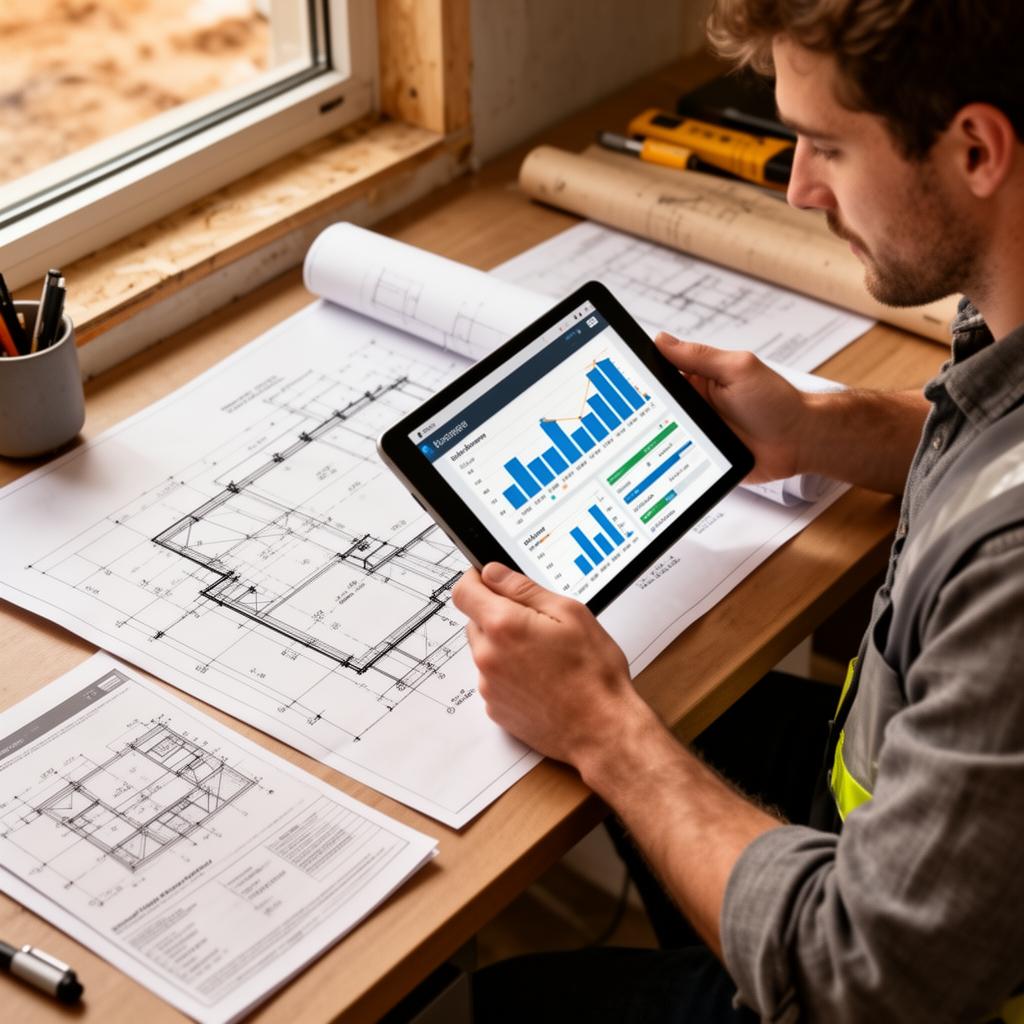
Most contractor websites are static brochures that don't convert. A properly built website functions as an active lead funnel that pre-qualifies prospects and feeds your CRM.

Squarespace and Wix are fast and cheap. Custom websites cost more upfront. Here is an honest breakdown of when each option makes sense and when a template starts costing you more.
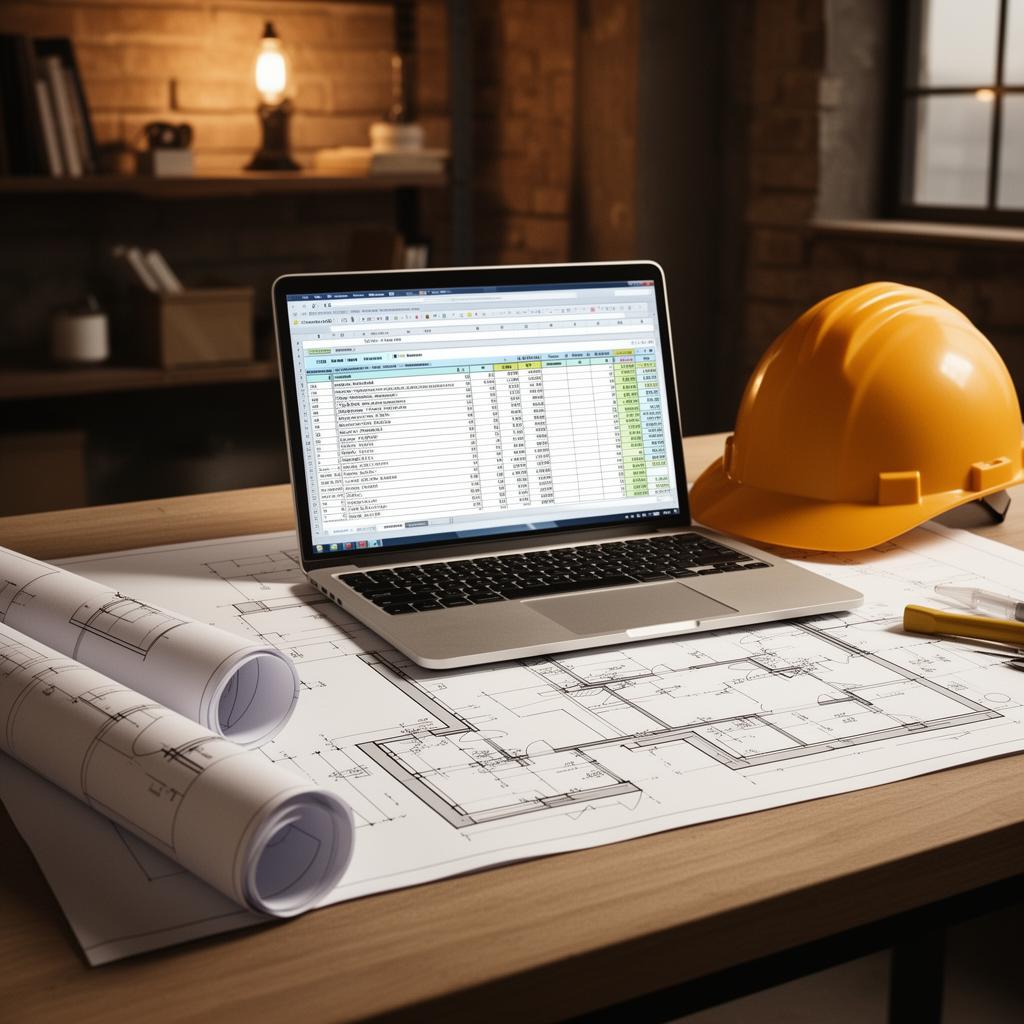
Inconsistent cost codes are the number one reason contractors cannot trust their job cost reports. Here is how to build a cost code structure that makes every project comparable and every bid more accurate.
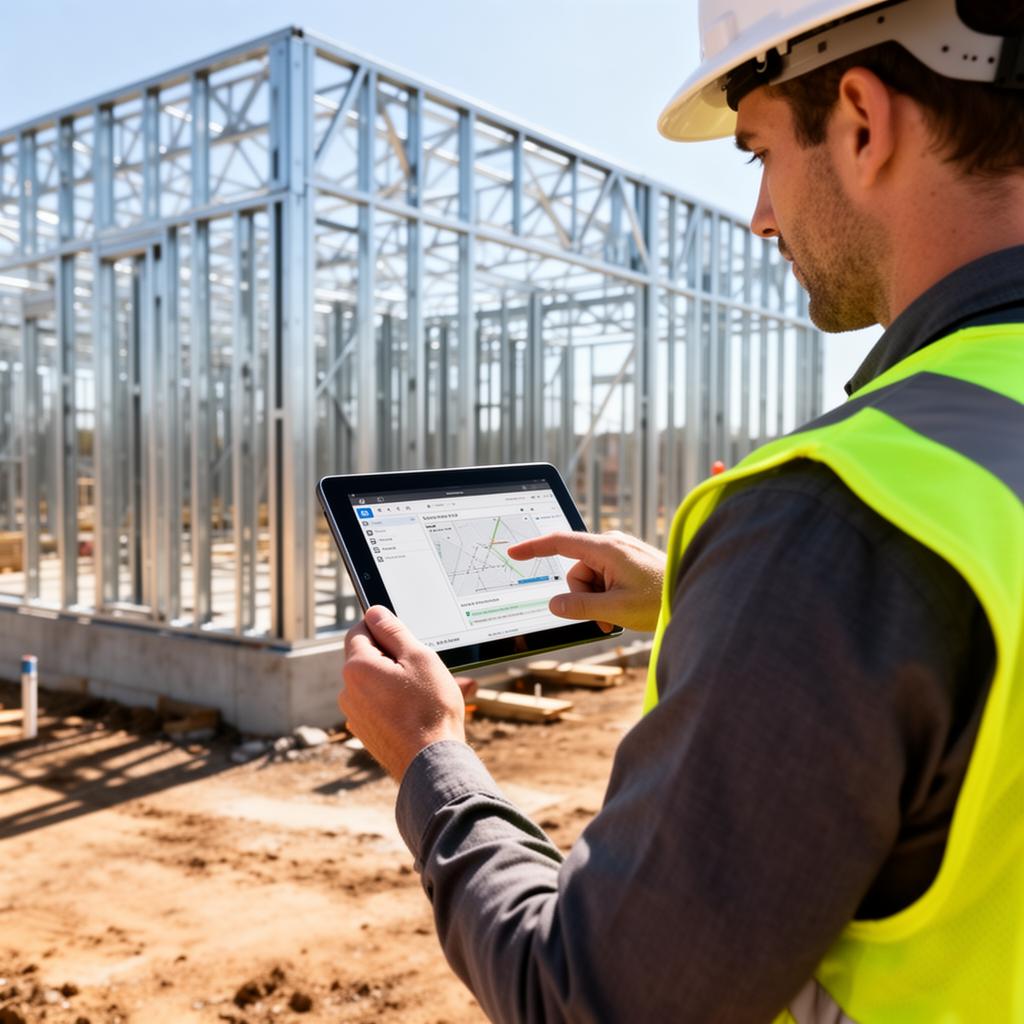
Field data is the most valuable and hardest to capture data in construction. Here is how to design capture systems that work in jobsite conditions and produce data worth analyzing.
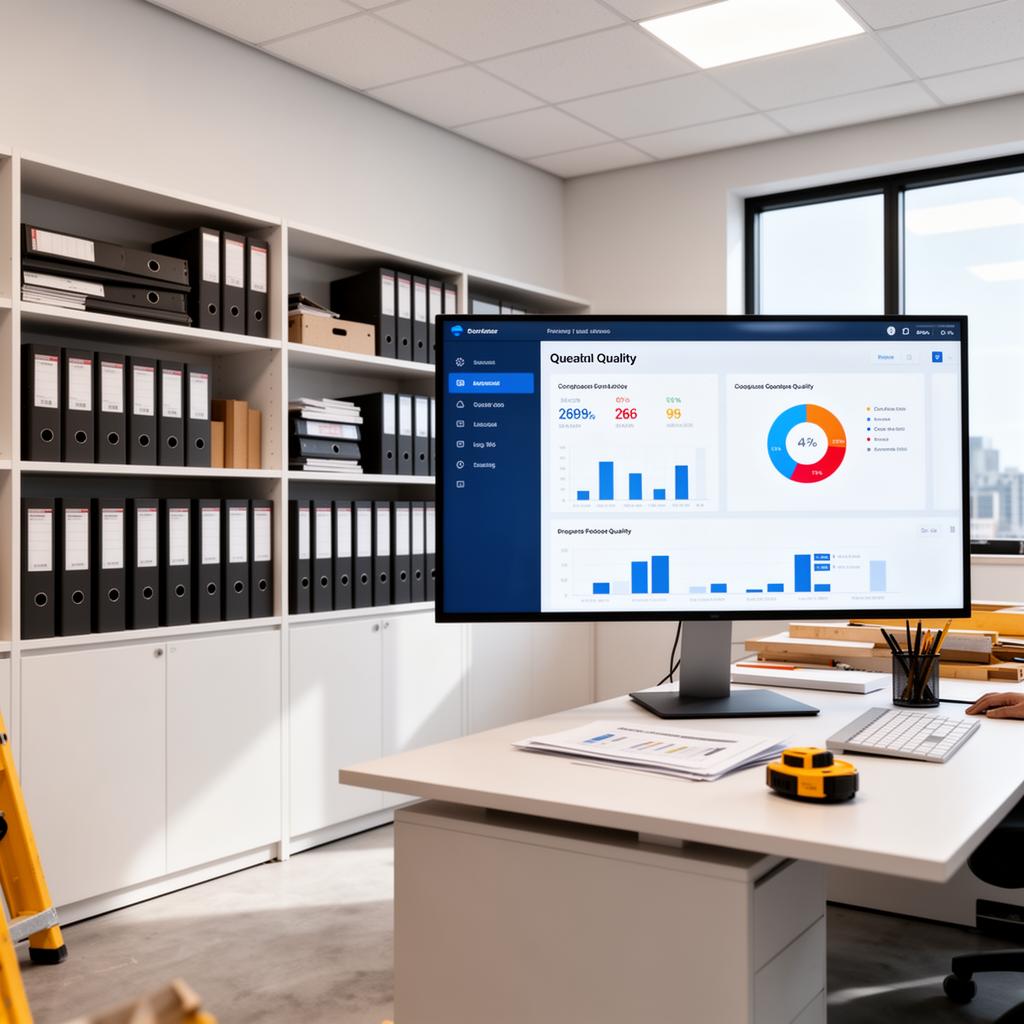
Data governance is not a corporate buzzword. It is the difference between data you can trust and data you have to verify every time you use it. Here is the minimum viable governance framework for scaling contractors.
AI made it easier to build software. That does not make it easier to design systems. Construction companies need architecture before they need code.
The construction industry is not behind on software. It is behind on system design. The next three years will expose that gap and separate the operators from the accumulators.

If your solution to operational inefficiency is adding another platform, you are increasing complexity, not reducing it. Construction needs architecture, not accumulation.
Generic construction platforms force your team into someone else's process. Here is why that kills productivity and what to do instead.
Hiring a developer without understanding your workflows first is like hiring a framer before you have blueprints. The build will be wrong.
All in one platforms promise simplicity but deliver bloat, rigidity, and hidden operational costs that compound over time.
A CTO solves technology problems. But most construction companies do not have technology problems first. They have workflow problems that need operational thinking before technical execution.

Workflow-first means building software around how your crews actually work; not forcing your operation into someone else's template. Here's what that looks like in practice.

The best construction software comes from teams who understand the industry from the inside. Tech-first teams miss the context that makes software actually work on jobsites.

Most construction software adoption fails within the first six months. The reason is not the technology. It is the mismatch between how the software works and how your company works.

When one tech savvy employee builds your critical business system, you have created a single point of failure that puts your entire operation at risk.
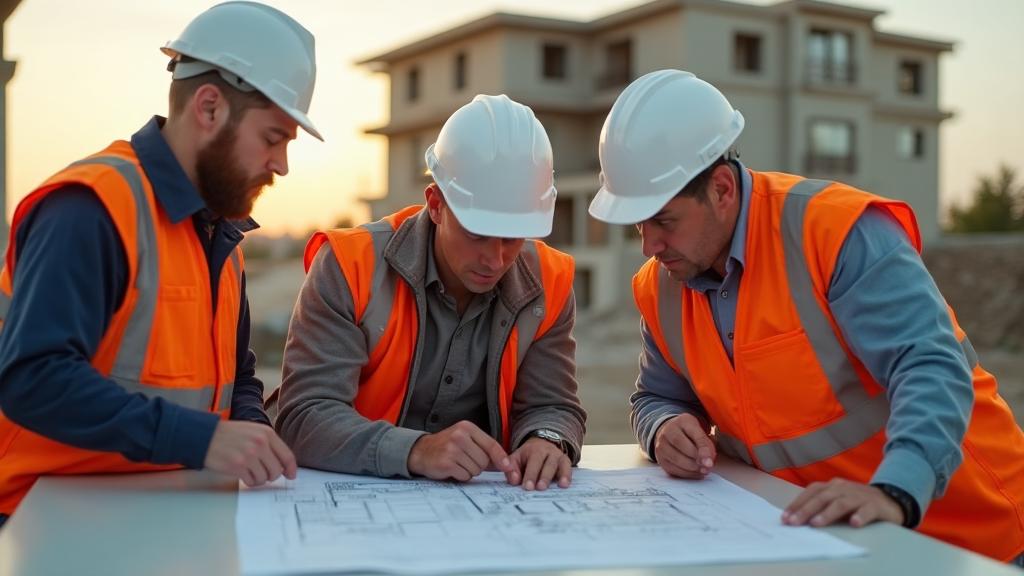
Software designed in offices for office people fails in the field. Construction software must be designed around the realities of crew-level operations.
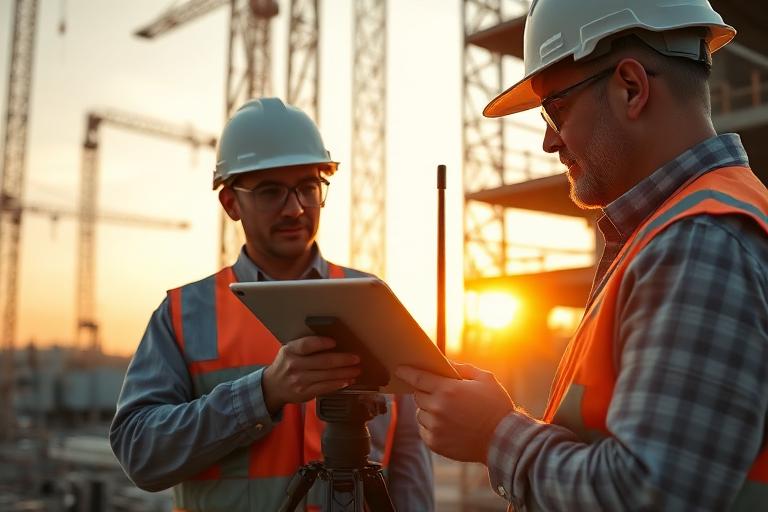
The construction industry has the lowest software adoption rates of any major sector. The reason is not resistance to change. It is software that ignores how the work actually gets done.
Using AI to generate code without understanding your workflows creates software that looks functional but falls apart under real operational pressure.
If your workflows are broken, AI will just break them faster. AI amplifies whatever system you feed it; good or bad. Fix the process before you add intelligence.
Software developers and field crews live in different worlds. Bridging that gap is essential for building construction software that actually works.
A long feature list does not mean a platform will work for your operation. What matters is whether those features solve the specific problems your team faces every day.
AI can help build software. It cannot design the workflow that software needs to support. That requires human understanding of how your company actually operates.
AI layered on top of poorly built or disconnected software doesn't improve anything. It just adds complexity to an already broken system.

Your tech stack is every piece of software, automation, and internal tool your operation runs on. Most contractors don't realize they already have one. It's just held together by duct tape.

No construction software is truly plug and play. Every implementation requires configuration, training, and adaptation. The question is who adapts: the software or your team.
Offshore development rates look attractive until you add up the rework, miscommunication, and operational failures that come from building without industry context.
Field-driven design means the people who do the work define what the software does. It's the only approach that produces tools construction teams actually use.
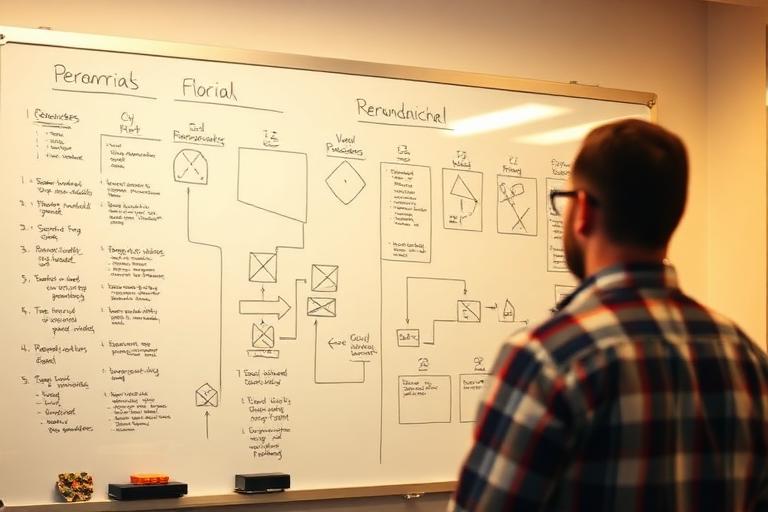
Standardization is valuable when it eliminates waste. It becomes destructive when it forces your team to abandon processes that actually work.

Custom software built by developers who do not understand construction produces technically correct code that operationally fails. Industry knowledge is not optional.

AI in construction isn't all hype. There are specific, practical areas where AI delivers real value right now; if you know where to look and what to expect.
Tech teams build for how they think construction works. Construction works differently. This misunderstanding produces software that looks great in demos and fails in the field.
Workflow automation in construction means building systems that move information, approvals, and decisions through your company without someone having to manually push every step forward.

The best construction companies have refined their processes over years. Software should amplify what works, not force you to start over with someone else's template.

Freelancer built tools solve today's problem and create tomorrow's crisis. Without long term ownership and maintenance, internal tools become liabilities.

Every vendor is pitching AI for construction. But AI without structured workflows is just expensive noise. Here's what actually needs to happen first.

Too many platforms, too many logins, too many promises. Construction teams are exhausted by technology that adds complexity without delivering value.
Software designed in the office without field team input looks great on screens and fails on jobsites. The field is where the truth lives.
Technology should serve your workflows, not define them. When you let software vendors dictate how your company operates, you lose what makes you competitive.

Building a tech stack isn't about buying the best software. It's about connecting the tools, workflows, and data your operation already depends on into something that works without constant babysitting.
Most construction software starts with what looks good in a demo, not what works in the field. That backwards approach is why adoption rates stay low across the industry.
There is a correct sequence for building construction software. Skip a step and the whole project suffers. Follow the order and the results compound.
Software companies treat construction as another vertical to enter with minor customizations. Construction is fundamentally different from other industries, and the software must reflect that.
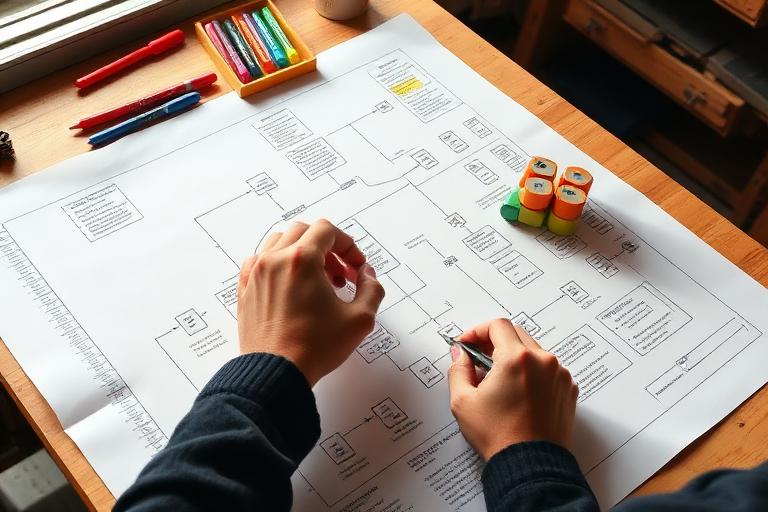
The most important step in building construction software has nothing to do with code. It is understanding, in granular detail, how the work actually gets done.

Not every AI tool deserves your attention or budget. Some categories of AI in construction are genuinely useful. Others are premature, overhyped, or outright misleading.
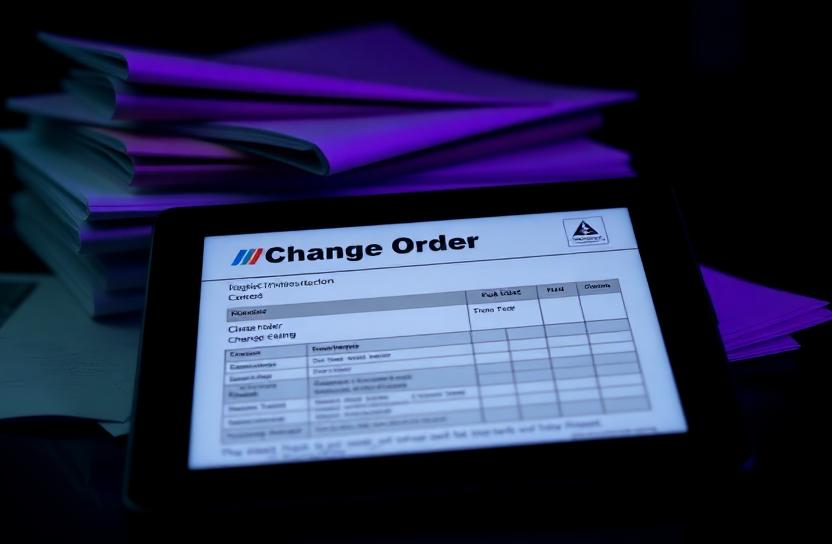
Change orders are where construction companies lose money they don't even know they're losing. Automating the process isn't optional for growing contractors.

Contractors waste six figures on software builds that fail for the same predictable reasons. The mistake is not building software. It is building it without a plan.
Buying software before mapping your processes is like buying materials before reading the plans. Process mapping is the foundation for every good technology decision.

SaaS tools work great until they don't. Here's why growing contractors hit the wall with generic software and what to do about it.
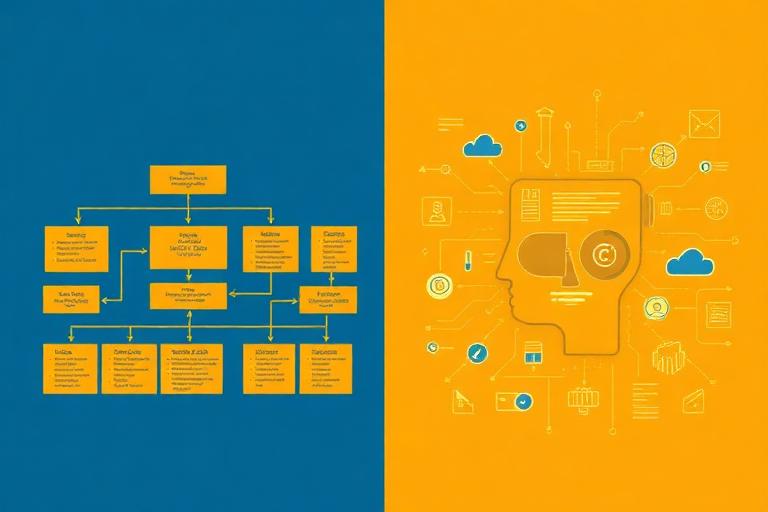
The formula for AI success in construction is simple: get your workflows right first, then automate. Reversing the order wastes money and creates new problems.
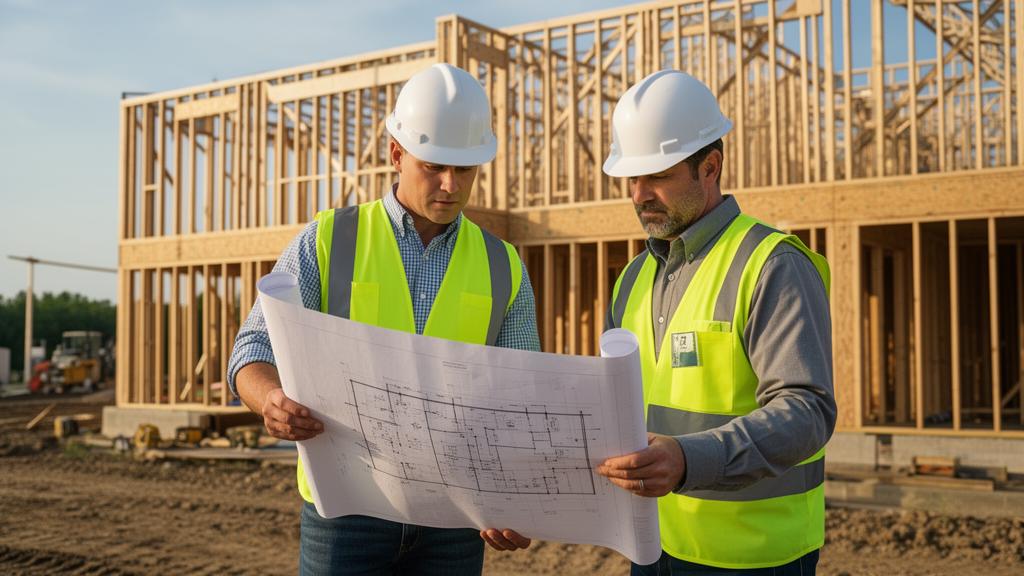
Software designed without field context misses the environment, constraints, and realities that determine whether technology gets used or abandoned.

Internal software is the technology your company builds for itself to handle the workflows, processes, and data flows that no off the shelf product was designed to address.
Your standard operating procedures should drive your software, not sit in a binder nobody reads. Here's how to translate operational standards into working digital systems.

Your construction software doesn't work together because it was never designed to. Connecting it requires intentional integration that most companies never build.

Some AI in construction solves real problems. Some is just a marketing checkbox. Learning to tell the difference saves you money and prevents technology fatigue.

Wondering what a construction tech stack actually looks like in practice? Here are real examples of how different types of contractors structure their technology.
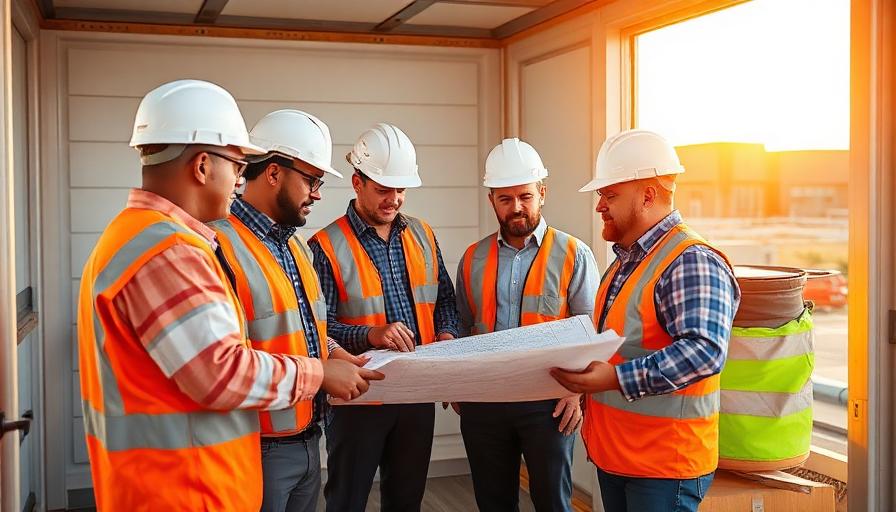
Including superintendents in the software design process produces tools that actually get used in the field. Excluding them produces tools that get abandoned.
AI can genuinely improve construction operations, but only in specific areas. Knowing where AI adds value and where it's just hype saves you time and money.
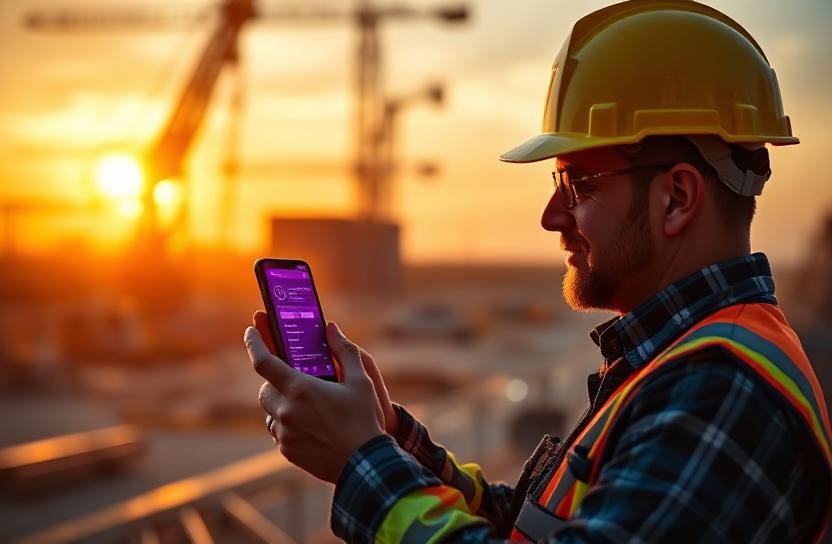
Field reports are only valuable if they actually reach the people who need them in a format they can use. Most construction companies fail at this basic requirement.
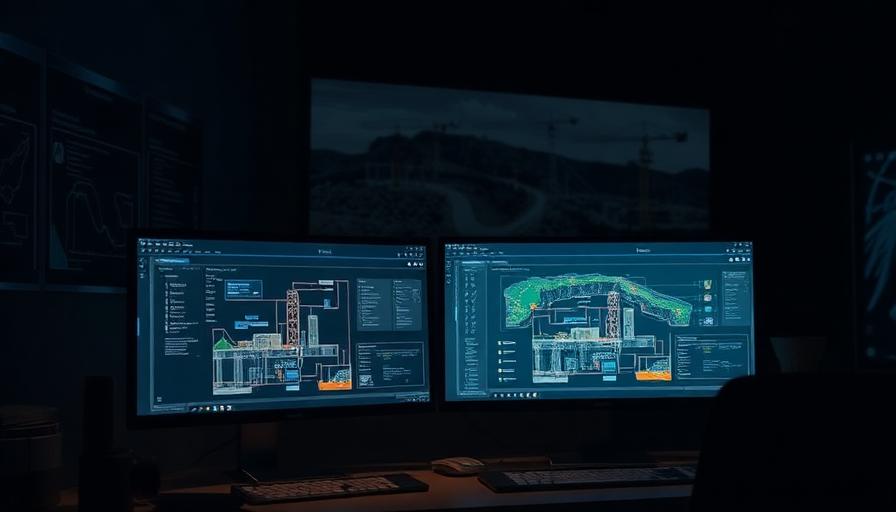
Workflow engineering is the discipline of designing, building, and continuously improving the operational processes that run your construction company.
The choice between custom and SaaS isn't binary. The best construction tech stacks use both. The question is which workflows need which approach.
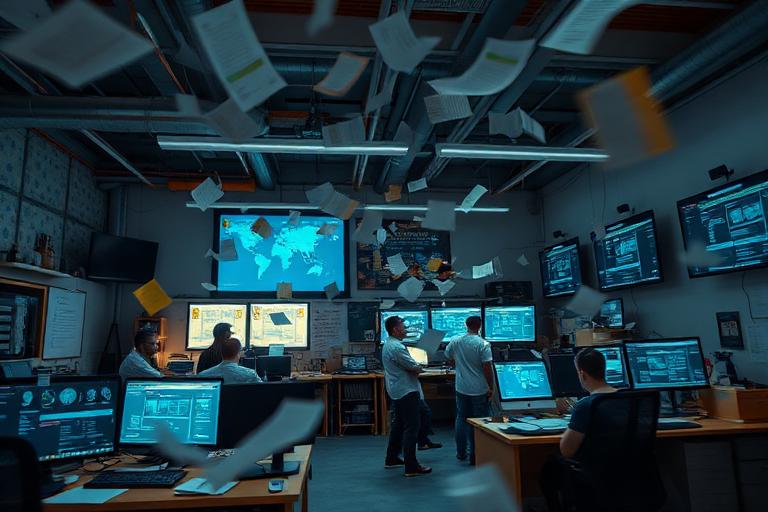
AI accelerates whatever it's applied to. If your processes are chaotic, AI just creates chaos at machine speed. Process discipline must come before AI adoption.
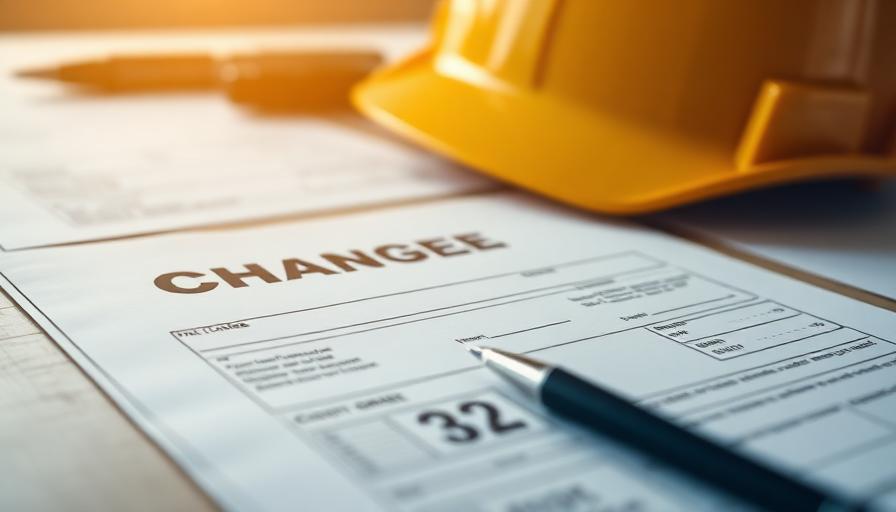
Generic project management tools treat change orders like tickets. Construction-native software understands the financial, contractual, and operational implications of every scope change.
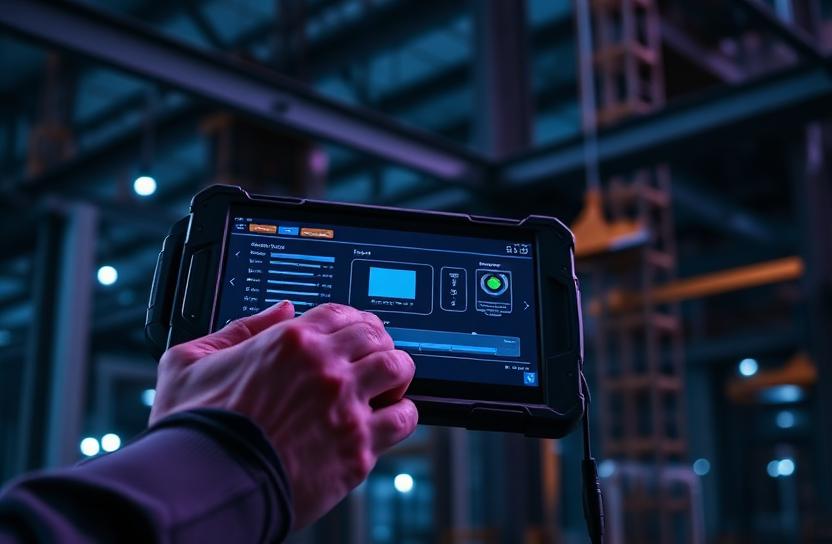
Contractors don't need more software. They need the right combination of tools connected in a way that matches how their business actually operates.

A tool solves one problem. A system connects problems and solutions into a functioning whole. Construction companies need systems, not more tools.
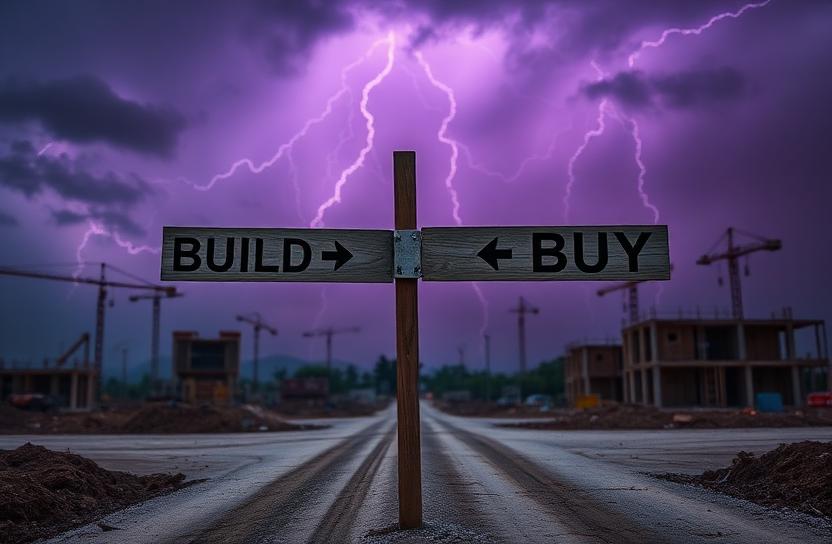
Not every process needs custom software. But some processes are costing you so much in manual effort and errors that building a custom tool is the obvious move.

Platform integrations in construction are often shallow. Understanding what vendor integrations actually do and where custom integration is needed saves time and frustration.

A practical, no-hype breakdown of what AI is genuinely capable of in construction operations today, and what it absolutely cannot do no matter what vendors claim.

Approval bottlenecks are one of the most expensive problems in construction. Most of them are completely avoidable with the right workflow systems.

Static software becomes a constraint as your business changes. The best construction technology is built to evolve alongside your operations.

How construction teams communicate should determine how construction software is designed. Most software ignores this and fails because of it.

AI will change construction operations. But not in the way most people are selling it. Here's an honest look at what AI means for how you run your business.

Internal software is the technology your company builds for itself. It handles the workflows, processes, and data flows that no commercial platform was designed to address.

Construction companies don't have a technology shortage. They have a technology coordination problem. More tools without integration just creates more chaos.
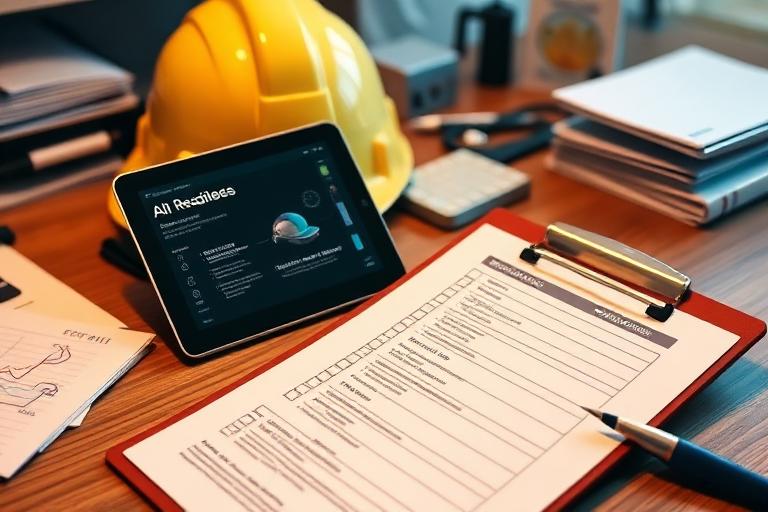
Before spending money on AI, determine whether your company is actually ready to benefit from it. This checklist helps you assess your AI readiness honestly.

Construction software platforms are good at what they do. But what they don't do is where most contractors struggle. Understanding those limits saves time and money.
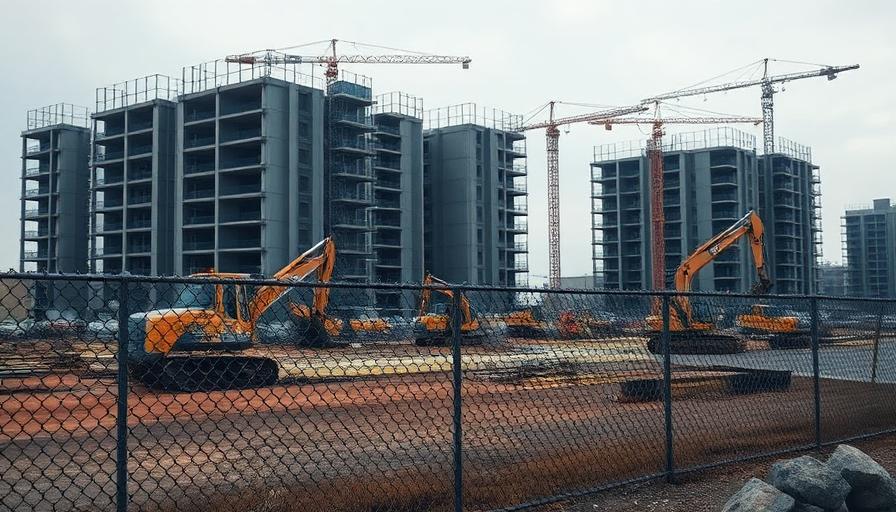
Software that can't adapt to your changing operations becomes an expensive constraint. Growing contractors need technology that scales and flexes with their business.
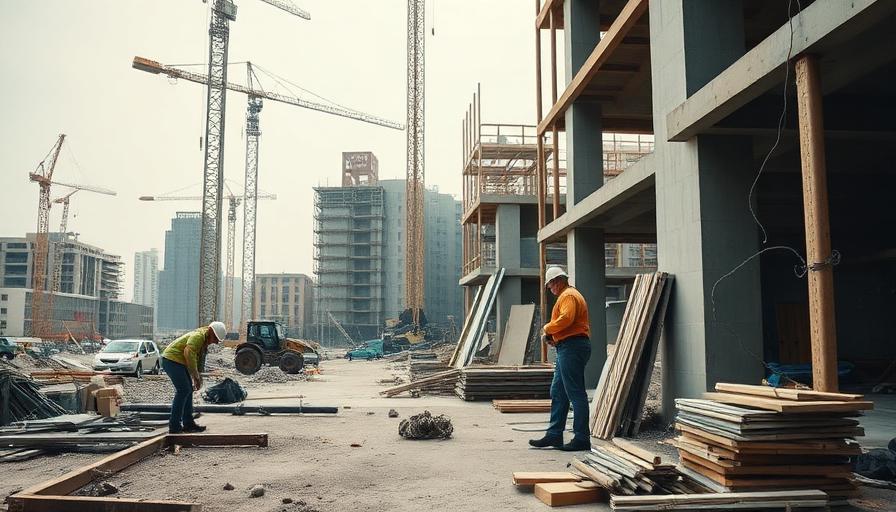
There's a fundamental truth about jobsite operations that most technology teams never grasp: the field doesn't exist to generate data for the office.

Internal systems are the operational backbone that holds a construction company together. Most contractors are running without one, and they feel it on every project.

Process automation in construction doesn't require a massive digital transformation. It starts with one broken process and a commitment to fixing it properly.
Custom software isn't about being fancy. It's about building the specific tools your operation needs that nobody else is going to make for you.
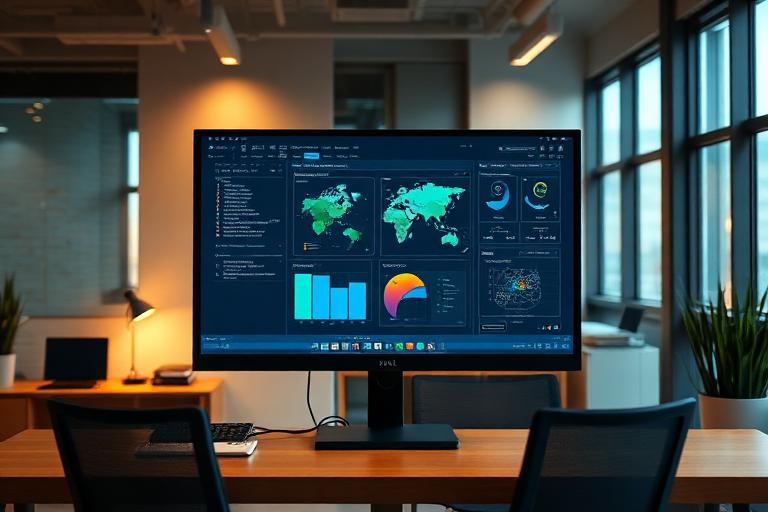
AI delivers the most value when it's embedded in systems built specifically for your operations. Generic AI on generic software produces generic results.
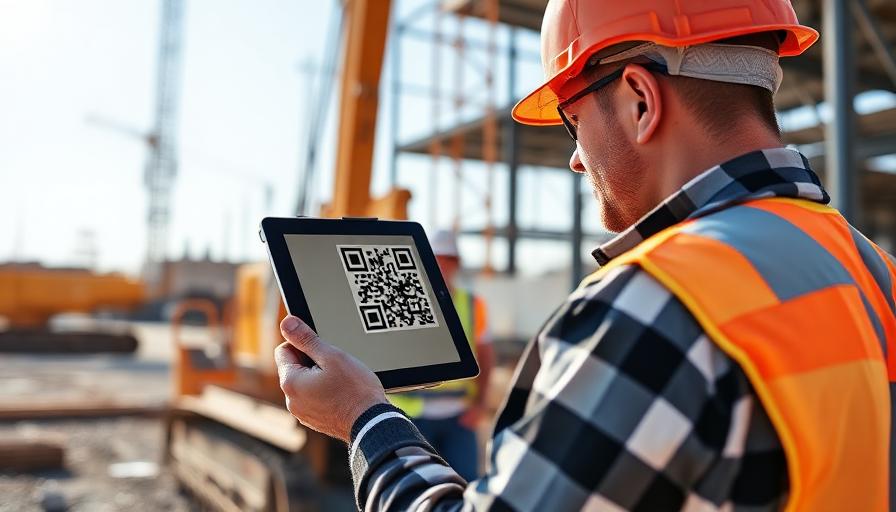
Digitizing a workflow isn't just moving paper to screens. Done right, it transforms how information flows. Done wrong, it's expensive digital paperwork.

Contractors are being sold AI automation from every direction. Most of it is marketing. Here's how to tell what's real and what's worth investing in.
Construction doesn't need software with more features. It needs software that handles complex, interconnected workflows. The difference determines whether technology helps or hinders.

Your construction tools don't work together because nobody made them. Here's a practical approach to connecting your systems without ripping everything out and starting over.

SaaS platforms help contractors get organized. But organization and operational efficiency are different things. Growing companies need more than what generic software provides.
Modernizing construction operations isn't about buying new technology. It's about intentionally redesigning how your company works and building technology to support it.

Most information in a construction company gets to the right person eventually. The problem is 'eventually' costs time, money, and sometimes projects.
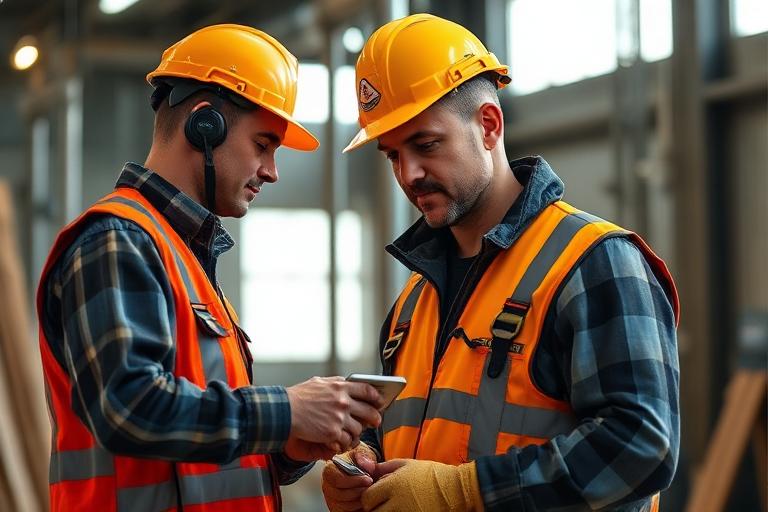
The best AI in construction enhances how your team works. It doesn't try to replace their expertise. Understanding this distinction prevents costly mistakes.
Workflow software for construction isn't just project management with a different label. It's the system that controls how information, decisions, and approvals move through your company.
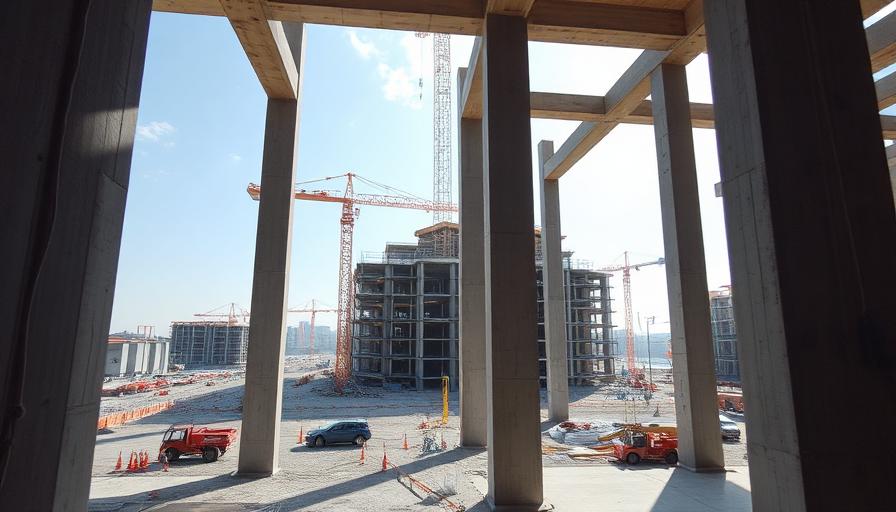
The best construction software starts at the jobsite and works backward to the office. Most software does the opposite, and that's why field teams don't use it.
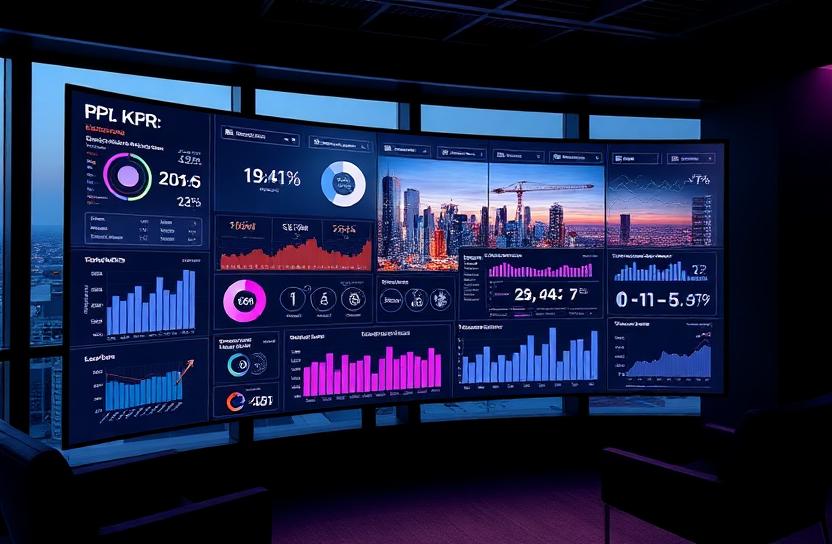
Construction company dashboards should show leadership what they need to make decisions, not what the software vendor decided was important. Here's what actually matters.
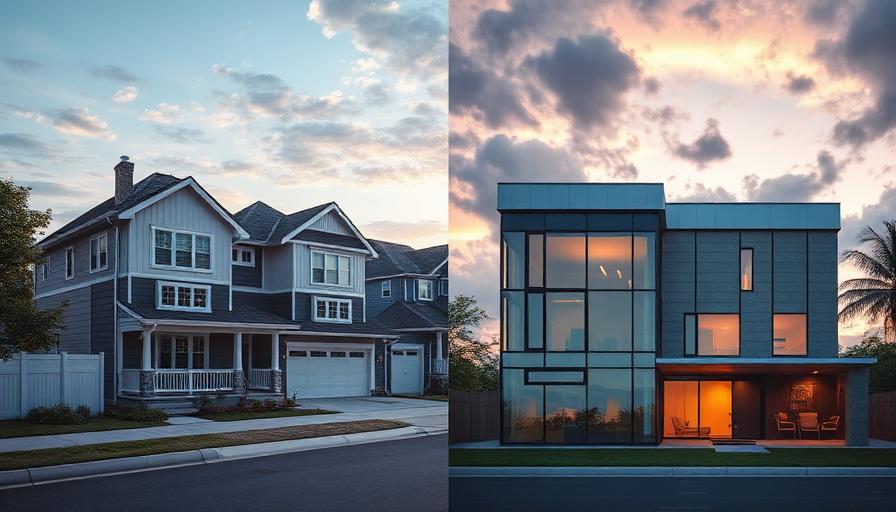
Templates promise quick implementation. Custom systems deliver lasting fit. Understanding the tradeoff helps you choose the right approach for your construction company.

Custom construction software creates the data infrastructure that makes AI genuinely useful. Here's how to build with AI readiness in mind without overspending on AI today.
The most effective construction tech stacks aren't all SaaS or all custom. They're purposeful hybrids that use the right approach for each layer of the operation.

Not all AI saves time. Some creates more work through bad outputs and management overhead. Here are the AI applications in construction that genuinely reduce workload.
A fast developer without construction knowledge will build the wrong thing quickly. A construction-informed developer will build the right thing. Speed means nothing without context.
Most construction companies have project management software. Almost none have internal workflow systems. That gap is where operational efficiency lives.
The software you build today needs to work when you're twice the size. Planning for growth in your construction technology prevents expensive rebuilds.
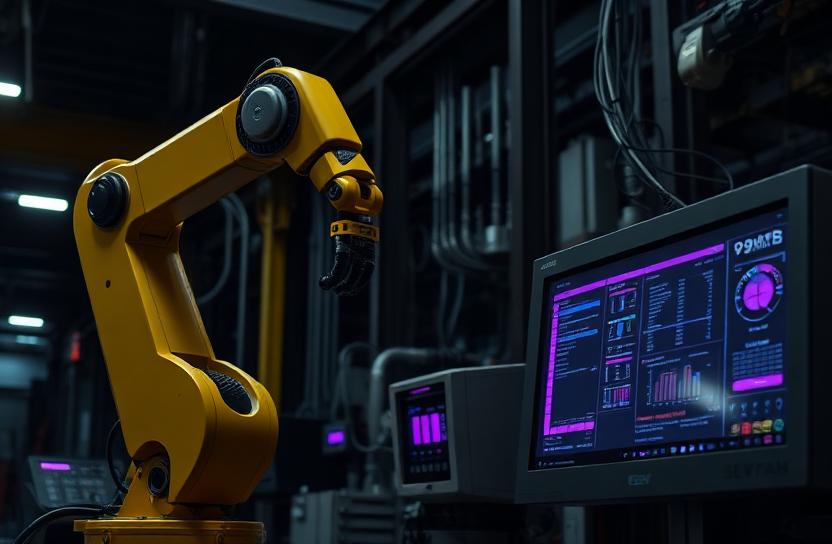
Not everything in construction should be automated. But the manual processes that are eating your team's time and costing you money? Those are the ones to fix.

The best construction software is built with empathy for the people who use it; understanding their pressures, constraints, and daily reality.

A workflow audit reveals where your operations are leaking time, money, and accuracy. This guide walks you through auditing your construction workflows step by step.
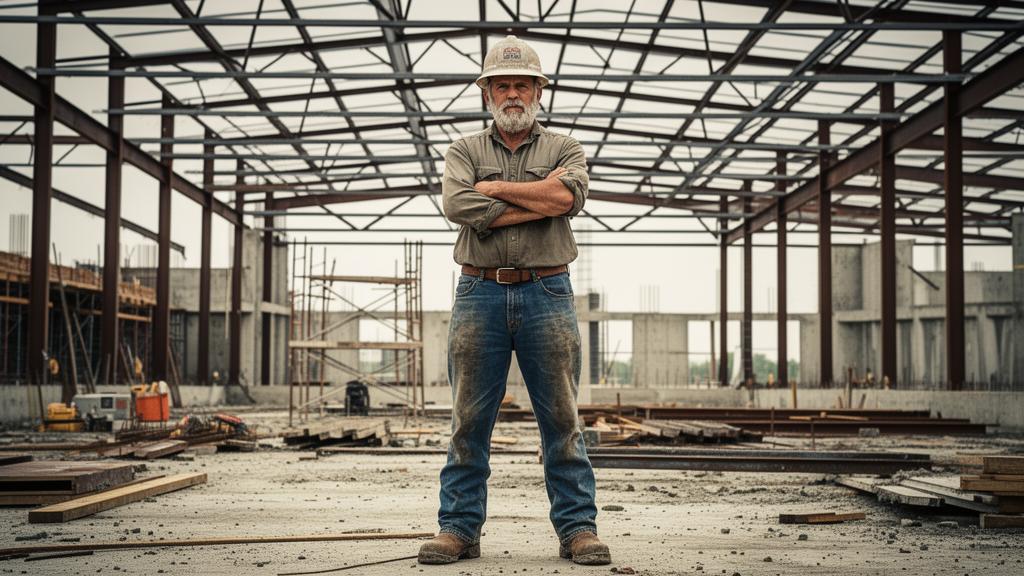
There's a difference between tech companies visiting construction as tourists and companies rooted in the industry building technology. The software reflects the difference.
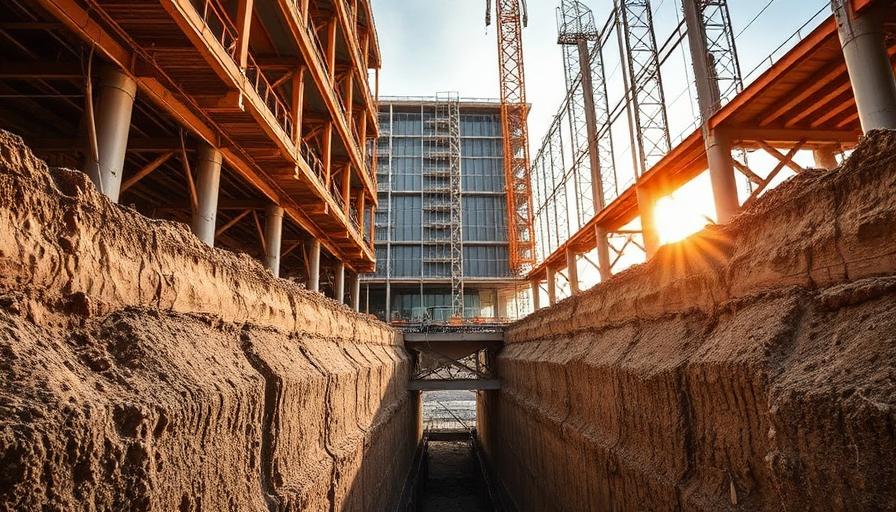
Building software for construction requires construction experience. Horizontal software skills don't translate directly to vertical industry needs.