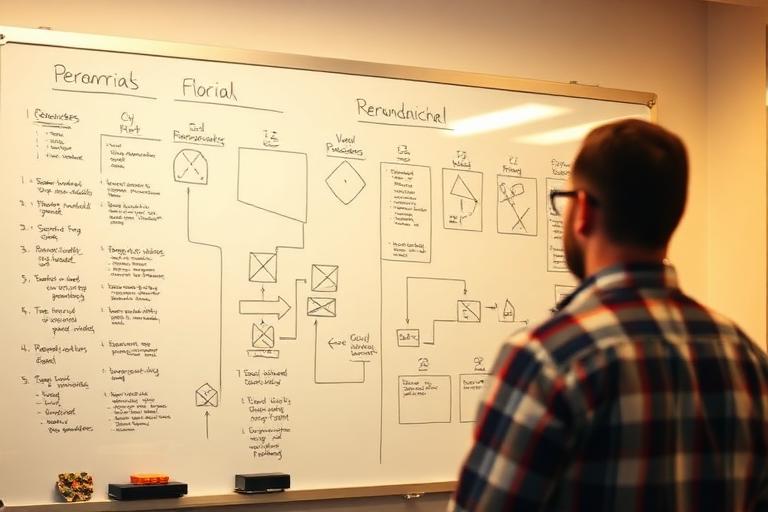
When Standardization Helps and When It Hurts Operations
Standardization is valuable when it eliminates waste. It becomes destructive when it forces your team to abandon processes that actually work.
The Standardization Debate
Standardization gets treated as universally good in business software. Standardize your processes, standardize your data, standardize your reporting. The logic makes sense on paper: consistency reduces errors and improves efficiency.
But in construction, where every project is unique and every company has developed processes through years of field experience, forced standardization can do real damage.
A Field Example
A regional contractor with three divisions, residential, commercial, and service, was told by their software vendor that they needed to standardize their project setup process across all divisions.
The residential team set up projects based on lot numbers and phases. The commercial team organized by building systems and specification sections. The service team tracked by client account and recurring service schedules.
Forcing one project setup template across all three divisions would have broken two out of three workflows. The "standard" became the enemy of the effective.
Where Standardization Helps
Safety reporting. Consistent safety protocols and reporting formats protect your team and reduce liability. This is where standardization saves lives.
Financial reporting. Accounting needs consistent data formats. Standardized cost codes and billing structures make financial management possible across multiple projects.
Client deliverables. When clients require specific reporting formats, standardization ensures compliance and reduces the risk of miscommunication.
Onboarding. New employees ramp up faster when common processes are documented and consistent. Basic operational standards reduce the learning curve.
Where Standardization Hurts
Field workflows. Every superintendent has refined their daily process based on trade, project type, and crew dynamics. Forcing a generic daily workflow template removes the contextual intelligence that makes them effective.
Project management. Different project types require different management approaches. A ground up commercial build and a tenant improvement have fundamentally different rhythms, milestones, and risk profiles.
Communication patterns. Some teams work best with morning huddles and end of day texts. Others prefer weekly meetings and daily log entries. The "right" pattern depends on the people and the project.
The Correct Approach
Apply standardization selectively.
1. Standardize outputs and reporting, not the process of creating them
2. Let field teams choose their methods as long as the required data gets captured
3. Create flexible frameworks instead of rigid templates
4. Standardize where safety, legal, or financial compliance demands it
5. Leave room for the operational intelligence your team has built over years
Framework for Deciding
Ask these questions before standardizing any process:
- Does this standardization make the work safer? If yes, standardize.
- Does this standardization satisfy a legal or financial requirement? If yes, standardize.
- Does this standardization make the field team faster? If no, reconsider.
- Is this standardization replacing a process that currently works well? If yes, stop.
- Will this standardization survive contact with the field? If unsure, pilot it first.
The Bottom Line
Standardize where it protects people and ensures compliance. Resist standardization where it replaces field intelligence with generic templates. The best operations are selectively standardized, not universally rigid.
Ready to build a tech stack that fits your operation?
Let's talk about what your company actually needs.
Start the ConversationStack Exposure Calculator
Add up what you're actually paying for software subscriptions. No hidden multipliers, just your tools and your total.
See Your ExposureOperational Leakage Model
Estimate what your workflow structure costs in wasted time, duplicate effort, and labor leakage every month.
Model Your LeakageWe build this
More in SaaS vs Custom Software

When SaaS Fails Contractors: Why Off the Shelf Software Stops Working
SaaS tools work great until they don't. Here's why growing contractors hit the wall with generic software and what to do about it.

Custom vs SaaS Construction Software: Making the Right Choice
The choice between custom and SaaS isn't binary. The best construction tech stacks use both. The question is which workflows need which approach.

The Limits of Construction Software Platforms: What They Won't Tell You
Construction software platforms are good at what they do. But what they don't do is where most contractors struggle. Understanding those limits saves time and money.

Why Contractors Outgrow SaaS: The Growth Ceiling Nobody Talks About
SaaS platforms help contractors get organized. But organization and operational efficiency are different things. Growing companies need more than what generic software provides.
Hybrid Tech Stacks in Construction: The Best of Both Worlds
The most effective construction tech stacks aren't all SaaS or all custom. They're purposeful hybrids that use the right approach for each layer of the operation.

Why Off the Shelf Construction Software Breaks Real Workflows
Generic construction platforms force your team into someone else's process. Here is why that kills productivity and what to do instead.

The Hidden Cost of All in One Construction Platforms
All in one platforms promise simplicity but deliver bloat, rigidity, and hidden operational costs that compound over time.

Why Contractors Quit Software After 6 Months
Most construction software adoption fails within the first six months. The reason is not the technology. It is the mismatch between how the software works and how your company works.

Software Adoption Failure in Construction: The Real Reason
The construction industry has the lowest software adoption rates of any major sector. The reason is not resistance to change. It is software that ignores how the work actually gets done.
Why Feature Lists Don't Equal Field Results
A long feature list does not mean a platform will work for your operation. What matters is whether those features solve the specific problems your team faces every day.

The Myth of Plug and Play Construction Software
No construction software is truly plug and play. Every implementation requires configuration, training, and adaptation. The question is who adapts: the software or your team.

Why Your Software Should Match Your Process, Not Replace It
The best construction companies have refined their processes over years. Software should amplify what works, not force you to start over with someone else's template.

Construction Tech Fatigue Is Real: Here's Why
Too many platforms, too many logins, too many promises. Construction teams are exhausted by technology that adds complexity without delivering value.
Why Most Construction SaaS Is Built Backwards
Most construction software starts with what looks good in a demo, not what works in the field. That backwards approach is why adoption rates stay low across the industry.
Why Static Software Hurts Growing Contractors
Software that can't adapt to your changing operations becomes an expensive constraint. Growing contractors need technology that scales and flexes with their business.