Construction Workflow Automation: A Practical Guide for Contractors
Workflow automation in construction means building systems that move information, approvals, and decisions through your company without someone having to manually push every step forward.
What Workflow Automation Actually Means in Construction
Workflow automation is not about removing people from your operation. It's about removing the manual steps that slow your operation down.
Every construction company runs on workflows. Change orders need approval. Field reports need to reach the office. Pay applications need review. Submittals need routing to the right engineer. Closeout documents need to be compiled and verified.
In most companies, these workflows run on email, phone calls, and people remembering to follow up. That works when you have five projects. It breaks when you have fifteen.
Workflow automation means building digital systems that handle the routing, notifications, and tracking that your team currently does manually. The decisions still belong to your people. The busywork belongs to the system.
Where to Start
Start with the workflow that hurts the most. For most contractors, that's one of three places:
Change orders. The process of documenting, pricing, routing, approving, and accounting for scope changes. This is where money gets lost most often.
Field reporting. Getting information from the jobsite to the office in a structured, usable format. Not just daily logs, but safety observations, quality issues, progress tracking, and resource utilization.
Approval chains. Any process where multiple people need to review and approve something in sequence. Submittals, pay applications, purchase orders, subcontract awards.
Pick one. Map every step of how it works today. Identify where things stall, where information gets lost, and where people spend time on routing instead of decision making.
What Good Automation Looks Like
Good workflow automation in construction has a few characteristics:
It mirrors how your company actually works. Not how a software vendor thinks you should work. Your approval chain, your roles, your escalation paths.
It handles exceptions gracefully. Not every change order is the same. Not every submittal follows the same path. Good automation includes conditional logic that routes differently based on project type, dollar amount, urgency, or any other factor relevant to your operation.
It provides visibility. Everyone involved can see where a workflow stands. The PM knows their change order is waiting on the VP. The VP knows they have three items needing approval. Leadership can see overall cycle times and bottlenecks.
It connects to your existing tools. Automation should pull from and push to the systems you already use. It shouldn't create another data silo.
Common Mistakes
Automating broken processes. If your current workflow doesn't make sense, automating it just makes it fail faster. Fix the process first, then automate it.
Over automating. Not every process needs automation. If something happens rarely or requires significant judgment at every step, it might be better as a manual process with good documentation.
Ignoring the field. If your automation requires field teams to learn complex systems or spend significant time on data entry, they won't use it. Field facing automation needs to be dead simple.
Building without measuring. If you don't measure cycle times, error rates, and time spent before automation, you can't prove the value after. Baseline everything.
The Payoff
Companies that implement workflow automation well see consistent results:
Approval cycle times drop significantly. Change orders that took two weeks get resolved in days. Submittals that sat in someone's inbox for a week get reviewed promptly because the system makes them impossible to ignore.
Admin time drops. The hours spent routing documents, sending reminders, and compiling reports get redirected to actual productive work.
Errors decrease. When data flows automatically between systems instead of being manually re entered, the mistakes that come from manual processes disappear.
Visibility improves. Leadership can see what's happening across the organization in real time without asking anyone. That alone changes how decisions get made.
The Bottom Line
Workflow automation in construction is about building systems that move information as fast as your business needs it to move. Your people provide the judgment. The system handles the routing. Nothing falls through the cracks because there are no cracks to fall through.
Ready to build a tech stack that fits your operation?
Let's talk about what your company actually needs.
Start the ConversationStack Exposure Calculator
Add up what you're actually paying for software subscriptions. No hidden multipliers, just your tools and your total.
See Your ExposureOperational Leakage Model
Estimate what your workflow structure costs in wasted time, duplicate effort, and labor leakage every month.
Model Your LeakageWe build this
More in Workflow Automation
Automating Change Orders in Construction: Stop Losing Money on Manual Processes
Change orders are where construction companies lose money they don't even know they're losing. Automating the process isn't optional for growing contractors.

Automating Field Reporting: Getting Real Data from the Jobsite to the Office
Field reports are only valuable if they actually reach the people who need them in a format they can use. Most construction companies fail at this basic requirement.
Construction Approval Workflows: How to Stop Bottlenecks from Killing Your Schedule
Approval bottlenecks are one of the most expensive problems in construction. Most of them are completely avoidable with the right workflow systems.

Construction Process Automation: A Practical Approach for Growing Companies
Process automation in construction doesn't require a massive digital transformation. It starts with one broken process and a commitment to fixing it properly.

Workflow Routing for Contractors: Getting Information to the Right Person Automatically
Most information in a construction company gets to the right person eventually. The problem is 'eventually' costs time, money, and sometimes projects.
Internal Workflow Systems: The Infrastructure Your Construction Company Is Missing
Most construction companies have project management software. Almost none have internal workflow systems. That gap is where operational efficiency lives.

What Is Workflow-First Construction Software
Workflow-first means building software around how your crews actually work; not forcing your operation into someone else's template. Here's what that looks like in practice.

Designing Software Around How Crews Actually Work
Software designed in offices for office people fails in the field. Construction software must be designed around the realities of crew-level operations.

Field-Driven Software Design Explained
Field-driven design means the people who do the work define what the software does. It's the only approach that produces tools construction teams actually use.
How Construction Workflows Should Drive Technology
Technology should serve your workflows, not define them. When you let software vendors dictate how your company operates, you lose what makes you competitive.
Why Process Mapping Comes Before Platforms
Buying software before mapping your processes is like buying materials before reading the plans. Process mapping is the foundation for every good technology decision.
Turning Construction SOPs Into Software Systems
Your standard operating procedures should drive your software, not sit in a binder nobody reads. Here's how to translate operational standards into working digital systems.
Workflow Engineering for Contractors
Workflow engineering is the discipline of designing, building, and continuously improving the operational processes that run your construction company.
How to Digitize a Construction Workflow Correctly
Digitizing a workflow isn't just moving paper to screens. Done right, it transforms how information flows. Done wrong, it's expensive digital paperwork.
The Right Way to Modernize Construction Operations
Modernizing construction operations isn't about buying new technology. It's about intentionally redesigning how your company works and building technology to support it.

Custom Workflow Systems vs Templates
Templates promise quick implementation. Custom systems deliver lasting fit. Understanding the tradeoff helps you choose the right approach for your construction company.

The Construction Workflow Audit Guide
A workflow audit reveals where your operations are leaking time, money, and accuracy. This guide walks you through auditing your construction workflows step by step.
Why Field Context Matters in Software Design
Software designed without field context misses the environment, constraints, and realities that determine whether technology gets used or abandoned.
Software That Understands Change Orders, Not Just Tickets
Generic project management tools treat change orders like tickets. Construction-native software understands the financial, contractual, and operational implications of every scope change.

Why Construction Communication Drives Software Design
How construction teams communicate should determine how construction software is designed. Most software ignores this and fails because of it.
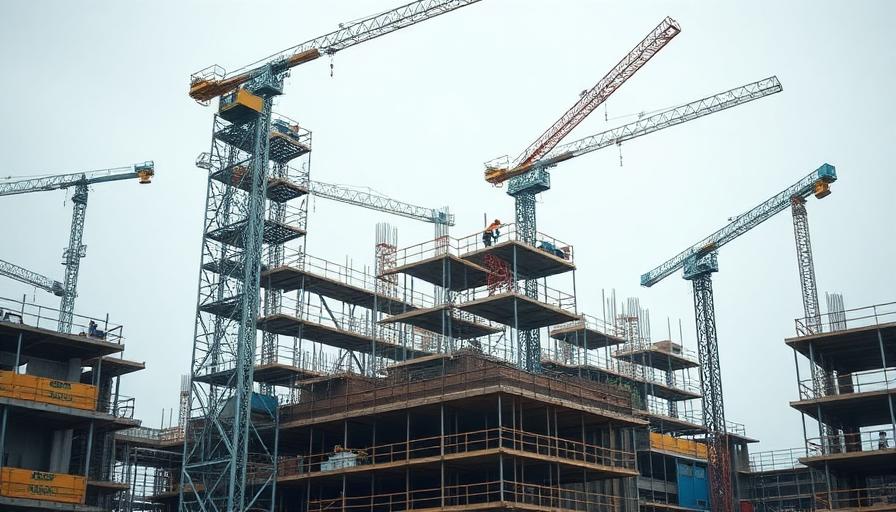
Construction Is Workflow Dense, Not Feature Dense
Construction doesn't need software with more features. It needs software that handles complex, interconnected workflows. The difference determines whether technology helps or hinders.