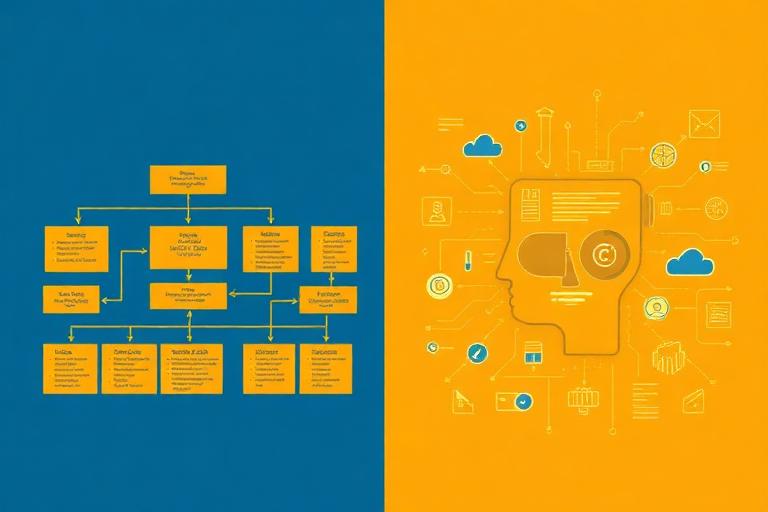
AI + Construction = Workflow First, Automation Second
The formula for AI success in construction is simple: get your workflows right first, then automate. Reversing the order wastes money and creates new problems.
The Problem
Contractors are being told to adopt AI now or get left behind. The pressure creates urgency that leads to bad decisions; specifically, trying to automate workflows that haven't been properly designed yet.
AI automation only works when the underlying workflow is structured, consistent, and well-understood. Automating a broken process doesn't fix it. It institutionalizes the dysfunction and makes it harder to change later.
A Field Example
A commercial contractor wanted to automate their submittal review process with AI. The idea was sound; AI could pre-review submittals for completeness and flag obvious issues before human review.
The problem: their submittal process wasn't standardized. Different PMs handled submittals differently. Some tracked them in Procore, others in spreadsheets. The format of submittal packages varied by project. There was no consistent criteria for what constituted a complete submittal.
They spent four months trying to train the AI on an inconsistent process. The AI couldn't learn because there was no consistent pattern to learn. They eventually had to stop, standardize their submittal process, run it manually for six months, and then successfully implement AI review.
Total wasted time: eight months. Total wasted spend: $45K in AI tool costs and implementation time.
The Correct Sequence
First: Map the workflow. Document every step of the process you want to automate. Who does what, when, and based on what criteria. Document the exceptions and edge cases.
Second: Standardize it. Get everyone following the same process. Same forms, same criteria, same routing. This is the hardest step because it requires organizational discipline.
Third: Digitize it. Move the standardized workflow into a digital system that enforces the structure. Required fields, defined routing, automatic notifications.
Fourth: Run it. Let the digital workflow run long enough to generate meaningful data. Fix issues. Refine the process. Build a clean dataset.
Fifth: Automate with AI. Now AI has structured data from a consistent process. Now pattern recognition works. Now automation is reliable.
The Checklist
- Is the workflow documented end to end?
- Do all team members follow the same process?
- Is the process running in a digital system with structured data?
- Have you accumulated enough data for AI to learn patterns?
- Have you defined what "success" looks like for AI automation?
- Do you have human oversight planned for AI outputs?
Skip any of these steps and AI automation will disappoint you.
Ready to build a tech stack that fits your operation?
Let's talk about what your company actually needs.
Start the ConversationStack Exposure Calculator
Add up what you're actually paying for software subscriptions. No hidden multipliers, just your tools and your total.
See Your ExposureOperational Leakage Model
Estimate what your workflow structure costs in wasted time, duplicate effort, and labor leakage every month.
Model Your LeakageWe build this
More in AI in Construction
AI Needs Structured Workflows Before It Can Help Your Construction Company
Every vendor is pitching AI for construction. But AI without structured workflows is just expensive noise. Here's what actually needs to happen first.
AI for Construction Workflows: Where It Helps and Where It Doesn't
AI can genuinely improve construction operations, but only in specific areas. Knowing where AI adds value and where it's just hype saves you time and money.

AI and Construction Operations: A Builder's Honest Assessment
AI will change construction operations. But not in the way most people are selling it. Here's an honest look at what AI means for how you run your business.

AI Automation for Contractors: What's Real and What's Marketing
Contractors are being sold AI automation from every direction. Most of it is marketing. Here's how to tell what's real and what's worth investing in.
AI with Custom Construction Software: Building the Foundation That Makes AI Work
Custom construction software creates the data infrastructure that makes AI genuinely useful. Here's how to build with AI readiness in mind without overspending on AI today.
AI Will Not Fix Broken Construction Workflows
If your workflows are broken, AI will just break them faster. AI amplifies whatever system you feed it; good or bad. Fix the process before you add intelligence.
Bolting AI Onto Bad Software Produces Bad Results
AI layered on top of poorly built or disconnected software doesn't improve anything. It just adds complexity to an already broken system.

Where AI Actually Helps Contractors Today
AI in construction isn't all hype. There are specific, practical areas where AI delivers real value right now; if you know where to look and what to expect.
AI Tools Construction Companies Should Avoid Right Now
Not every AI tool deserves your attention or budget. Some categories of AI in construction are genuinely useful. Others are premature, overhyped, or outright misleading.
The Difference Between Smart AI and Gimmick AI in Construction
Some AI in construction solves real problems. Some is just a marketing checkbox. Learning to tell the difference saves you money and prevents technology fatigue.

AI Without Process = Faster Chaos
AI accelerates whatever it's applied to. If your processes are chaotic, AI just creates chaos at machine speed. Process discipline must come before AI adoption.

What AI Can and Cannot Do in Construction Ops
A practical, no-hype breakdown of what AI is genuinely capable of in construction operations today, and what it absolutely cannot do no matter what vendors claim.
AI Readiness Checklist for Contractors
Before spending money on AI, determine whether your company is actually ready to benefit from it. This checklist helps you assess your AI readiness honestly.

Why AI Works Best in Custom Systems
AI delivers the most value when it's embedded in systems built specifically for your operations. Generic AI on generic software produces generic results.

AI Should Fit the Work, Not Replace It
The best AI in construction enhances how your team works. It doesn't try to replace their expertise. Understanding this distinction prevents costly mistakes.

Construction AI That Actually Saves Time
Not all AI saves time. Some creates more work through bad outputs and management overhead. Here are the AI applications in construction that genuinely reduce workload.