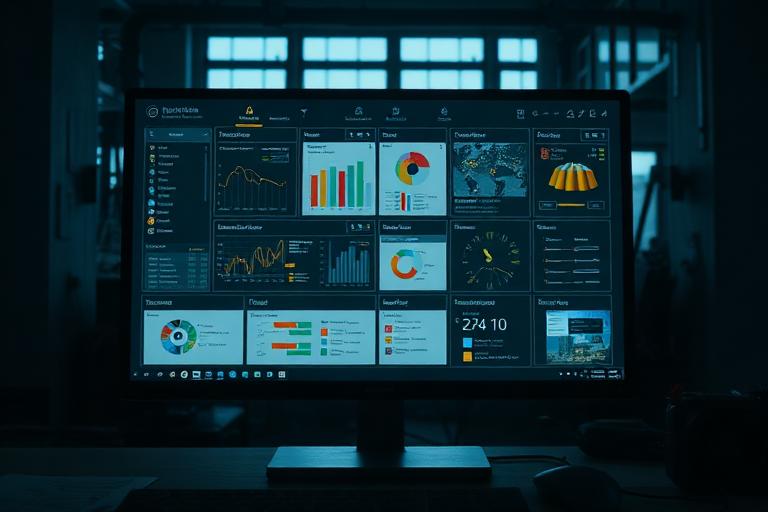
The Hidden Cost of All in One Construction Platforms
All in one platforms promise simplicity but deliver bloat, rigidity, and hidden operational costs that compound over time.
The All in One Promise
The pitch is compelling. One platform for project management, scheduling, budgeting, document control, field reporting, and communication. Everything in one place. No integrations needed.
It sounds efficient. In reality, it creates a different set of problems that are harder to see and more expensive to fix.
A Field Example
A mid size mechanical contractor signed a three year contract with an all in one platform. They needed strong change order management and field reporting. The platform offered both, along with 40 other features they did not need.
Within a year, they realized the change order module was rigid. It could not handle their multi tier approval process. The field reporting was too generic for their trade specific inspections. They were paying for a full suite but only using a fraction of it, and the fraction they needed most was the weakest part.
Where the Hidden Costs Live
Feature tax. You pay for everything even when you use almost nothing. Per user pricing across a bloated platform means you are subsidizing features your team will never touch.
Switching costs. Once your data lives in a closed ecosystem, leaving becomes expensive. Migration, retraining, and process disruption create lock in that vendors count on.
Mediocre everything. Platforms that try to do everything rarely do anything exceptionally well. You get acceptable project management, passable scheduling, and weak reporting. The areas where you need excellence are the ones that get shortchanged.
Configuration complexity. "Customizable" does not mean flexible. Configuring an all in one platform to match your operation takes months and a dedicated admin. And when the vendor pushes an update, your configuration can break.
The Correct Approach
Instead of one platform that does everything poorly, build a focused tech stack where each component does its job well.
1. Identify your three to five core operational needs
2. Select or build the best tool for each specific need
3. Connect them through integrations that match your data flow
4. Keep the stack lean and purpose built
Quick Checklist
- What percentage of features in your current platform does your team actually use?
- How much time does your admin spend configuring and maintaining the platform?
- Can you export your data in a usable format if you need to switch?
- Are the modules you depend on most actually the strongest parts of the platform?
- Would purpose built tools for your top three needs cost less than the all in one?
The Bottom Line
All in one platforms sell convenience but deliver compromise. The hidden cost is not just the subscription. It is the operational mediocrity that compounds every month you stay locked in.
Ready to build a tech stack that fits your operation?
Let's talk about what your company actually needs.
Start the ConversationStack Exposure Calculator
Add up what you're actually paying for software subscriptions. No hidden multipliers, just your tools and your total.
See Your ExposureOperational Leakage Model
Estimate what your workflow structure costs in wasted time, duplicate effort, and labor leakage every month.
Model Your LeakageWe build this
More in SaaS vs Custom Software

When SaaS Fails Contractors: Why Off the Shelf Software Stops Working
SaaS tools work great until they don't. Here's why growing contractors hit the wall with generic software and what to do about it.
Custom vs SaaS Construction Software: Making the Right Choice
The choice between custom and SaaS isn't binary. The best construction tech stacks use both. The question is which workflows need which approach.

The Limits of Construction Software Platforms: What They Won't Tell You
Construction software platforms are good at what they do. But what they don't do is where most contractors struggle. Understanding those limits saves time and money.

Why Contractors Outgrow SaaS: The Growth Ceiling Nobody Talks About
SaaS platforms help contractors get organized. But organization and operational efficiency are different things. Growing companies need more than what generic software provides.
Hybrid Tech Stacks in Construction: The Best of Both Worlds
The most effective construction tech stacks aren't all SaaS or all custom. They're purposeful hybrids that use the right approach for each layer of the operation.

Why Off the Shelf Construction Software Breaks Real Workflows
Generic construction platforms force your team into someone else's process. Here is why that kills productivity and what to do instead.

Why Contractors Quit Software After 6 Months
Most construction software adoption fails within the first six months. The reason is not the technology. It is the mismatch between how the software works and how your company works.

Software Adoption Failure in Construction: The Real Reason
The construction industry has the lowest software adoption rates of any major sector. The reason is not resistance to change. It is software that ignores how the work actually gets done.
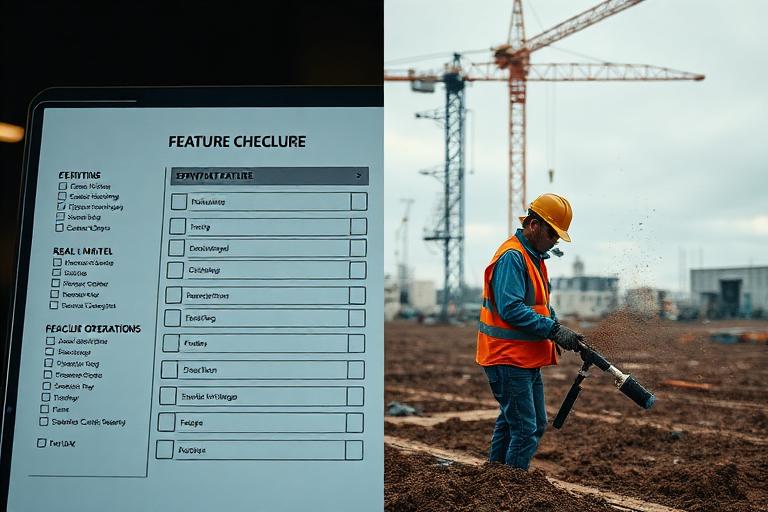
Why Feature Lists Don't Equal Field Results
A long feature list does not mean a platform will work for your operation. What matters is whether those features solve the specific problems your team faces every day.

The Myth of Plug and Play Construction Software
No construction software is truly plug and play. Every implementation requires configuration, training, and adaptation. The question is who adapts: the software or your team.
When Standardization Helps and When It Hurts Operations
Standardization is valuable when it eliminates waste. It becomes destructive when it forces your team to abandon processes that actually work.

Why Your Software Should Match Your Process, Not Replace It
The best construction companies have refined their processes over years. Software should amplify what works, not force you to start over with someone else's template.

Construction Tech Fatigue Is Real: Here's Why
Too many platforms, too many logins, too many promises. Construction teams are exhausted by technology that adds complexity without delivering value.
Why Most Construction SaaS Is Built Backwards
Most construction software starts with what looks good in a demo, not what works in the field. That backwards approach is why adoption rates stay low across the industry.
Why Static Software Hurts Growing Contractors
Software that can't adapt to your changing operations becomes an expensive constraint. Growing contractors need technology that scales and flexes with their business.