
Construction Process Automation: A Practical Approach for Growing Companies
Process automation in construction doesn't require a massive digital transformation. It starts with one broken process and a commitment to fixing it properly.
Process Automation Is Simpler Than You Think
The construction industry talks about "digital transformation" like it's a massive undertaking that requires a company wide overhaul, a six figure consulting engagement, and a year of implementation.
That's not how it works for most contractors. Process automation starts with one process. One workflow that's broken. One place where your team is spending hours on manual work that follows a predictable pattern.
Fix that one thing. Prove the value. Then do the next one.
Identifying Processes Worth Automating
Not every process needs automation. The best candidates share three characteristics:
They're repetitive. The same steps happen the same way every time. Maybe the data is different, but the pattern is consistent.
They're time consuming. Someone spends meaningful hours each week or month on this process. If it only happens once a quarter and takes 20 minutes, it's not worth automating.
They're error prone. Manual processes that involve data entry, calculations, or routing between multiple people tend to generate mistakes. Those mistakes have downstream costs.
Look for processes where your team says things like "that's just how we do it" or "someone has to remember to" or "it takes forever to get through." Those are your automation candidates.
Five Processes Every Contractor Should Automate
1. Change order lifecycle. From field identification through pricing, approval, budget update, and billing. This is typically the highest value automation for construction companies because it directly impacts revenue recognition and project profitability.
2. Pay application processing. The monthly cycle of compiling work completed, calculating retention, generating applications, routing for review, and tracking payment. This follows a consistent pattern that's perfectly suited for automation.
3. Subcontractor compliance tracking. Insurance certificates, licenses, safety certifications, and bonding. These are date based and can be tracked, flagged, and followed up on automatically.
4. Daily reporting and distribution. Capturing field data in structured format and routing summaries to the right people automatically. PMs get detail. Executives get summaries. Safety directors get flagged items.
5. Project closeout documentation. The checklist of documents, warranties, as builts, training materials, and sign offs needed to close a project. This is almost always a painful manual process that benefits enormously from automation.
The Implementation Approach
Document the current state. Before you automate anything, document how the process works today. Every step. Every handoff. Every decision point. Every place where things get stuck.
Design the future state. With the current state documented, design what the automated process should look like. Which steps can be eliminated? Which can be automated? Where do humans still need to be involved?
Build incrementally. Don't try to build the entire automated process at once. Start with the core workflow. Get it working. Then add integrations, notifications, and advanced features.
Test with real work. Run the automated process alongside the manual process for a period. Compare results. Fix issues. Make sure it handles the exceptions and edge cases that real construction work throws at it.
Measure the impact. Track time saved, errors eliminated, cycle times reduced, and any financial impact. These metrics justify the investment and guide future automation decisions.
Avoiding Common Pitfalls
Don't automate chaos. If the current process is fundamentally broken, automation won't fix it. Fix the process logic first, then automate.
Don't over engineer. Build what you need, not what you might need someday. Simple systems that work are infinitely better than complex systems that nobody uses.
Don't forget training. Your team needs to understand how the automated process works and what they need to do differently. Change management matters even for small automations.
Don't set and forget. Automated processes need maintenance. Roles change. Requirements evolve. Systems update. Someone needs to own the ongoing health of your automated workflows.
The Bottom Line
Process automation in construction isn't a technology project. It's an operations improvement that happens to use technology. The goal isn't to digitize everything. The goal is to make your operation run better by removing the manual friction that slows you down and generates errors.
One process at a time. Prove the value. Build from there.
Ready to build a tech stack that fits your operation?
Let's talk about what your company actually needs.
Start the ConversationStack Exposure Calculator
Add up what you're actually paying for software subscriptions. No hidden multipliers, just your tools and your total.
See Your ExposureOperational Leakage Model
Estimate what your workflow structure costs in wasted time, duplicate effort, and labor leakage every month.
Model Your LeakageWe build this
More in Workflow Automation
Construction Workflow Automation: A Practical Guide for Contractors
Workflow automation in construction means building systems that move information, approvals, and decisions through your company without someone having to manually push every step forward.
Automating Change Orders in Construction: Stop Losing Money on Manual Processes
Change orders are where construction companies lose money they don't even know they're losing. Automating the process isn't optional for growing contractors.

Automating Field Reporting: Getting Real Data from the Jobsite to the Office
Field reports are only valuable if they actually reach the people who need them in a format they can use. Most construction companies fail at this basic requirement.
Construction Approval Workflows: How to Stop Bottlenecks from Killing Your Schedule
Approval bottlenecks are one of the most expensive problems in construction. Most of them are completely avoidable with the right workflow systems.

Workflow Routing for Contractors: Getting Information to the Right Person Automatically
Most information in a construction company gets to the right person eventually. The problem is 'eventually' costs time, money, and sometimes projects.
Internal Workflow Systems: The Infrastructure Your Construction Company Is Missing
Most construction companies have project management software. Almost none have internal workflow systems. That gap is where operational efficiency lives.
What Is Workflow-First Construction Software
Workflow-first means building software around how your crews actually work; not forcing your operation into someone else's template. Here's what that looks like in practice.
Designing Software Around How Crews Actually Work
Software designed in offices for office people fails in the field. Construction software must be designed around the realities of crew-level operations.

Field-Driven Software Design Explained
Field-driven design means the people who do the work define what the software does. It's the only approach that produces tools construction teams actually use.
How Construction Workflows Should Drive Technology
Technology should serve your workflows, not define them. When you let software vendors dictate how your company operates, you lose what makes you competitive.
Why Process Mapping Comes Before Platforms
Buying software before mapping your processes is like buying materials before reading the plans. Process mapping is the foundation for every good technology decision.
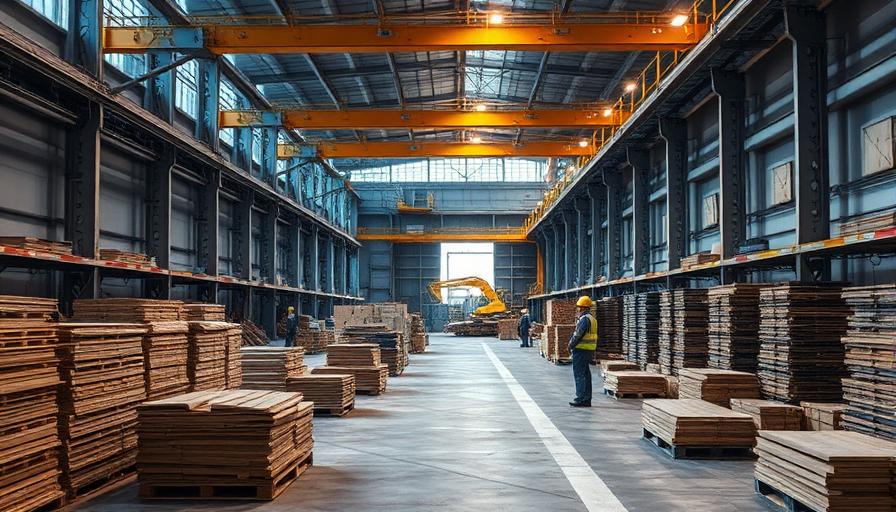
Turning Construction SOPs Into Software Systems
Your standard operating procedures should drive your software, not sit in a binder nobody reads. Here's how to translate operational standards into working digital systems.
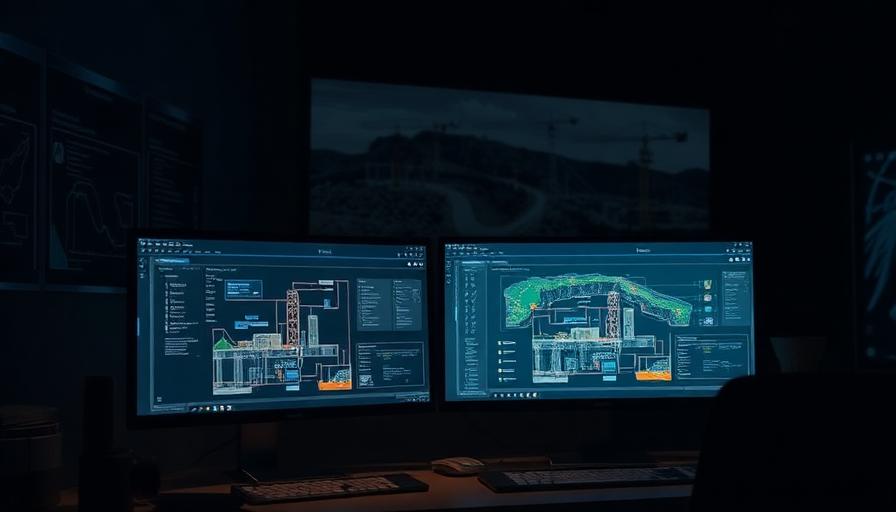
Workflow Engineering for Contractors
Workflow engineering is the discipline of designing, building, and continuously improving the operational processes that run your construction company.
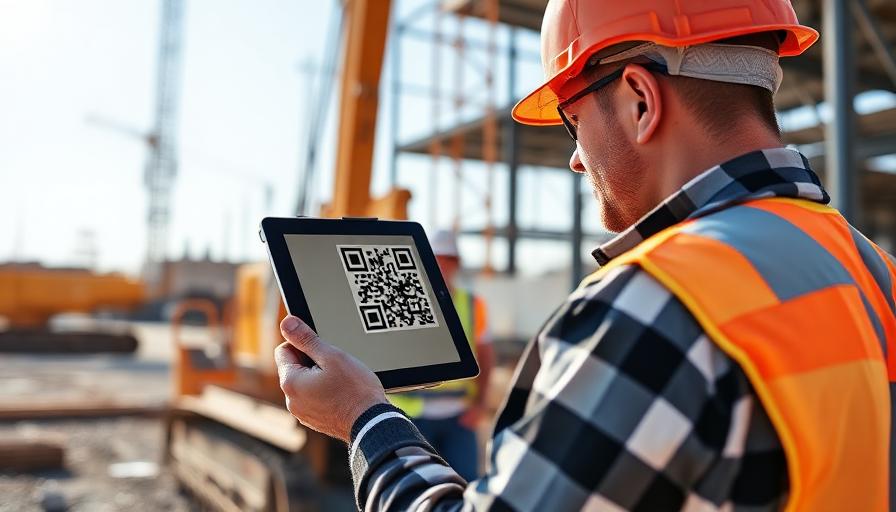
How to Digitize a Construction Workflow Correctly
Digitizing a workflow isn't just moving paper to screens. Done right, it transforms how information flows. Done wrong, it's expensive digital paperwork.
The Right Way to Modernize Construction Operations
Modernizing construction operations isn't about buying new technology. It's about intentionally redesigning how your company works and building technology to support it.
Custom Workflow Systems vs Templates
Templates promise quick implementation. Custom systems deliver lasting fit. Understanding the tradeoff helps you choose the right approach for your construction company.

The Construction Workflow Audit Guide
A workflow audit reveals where your operations are leaking time, money, and accuracy. This guide walks you through auditing your construction workflows step by step.
Why Field Context Matters in Software Design
Software designed without field context misses the environment, constraints, and realities that determine whether technology gets used or abandoned.
Software That Understands Change Orders, Not Just Tickets
Generic project management tools treat change orders like tickets. Construction-native software understands the financial, contractual, and operational implications of every scope change.

Why Construction Communication Drives Software Design
How construction teams communicate should determine how construction software is designed. Most software ignores this and fails because of it.
Construction Is Workflow Dense, Not Feature Dense
Construction doesn't need software with more features. It needs software that handles complex, interconnected workflows. The difference determines whether technology helps or hinders.