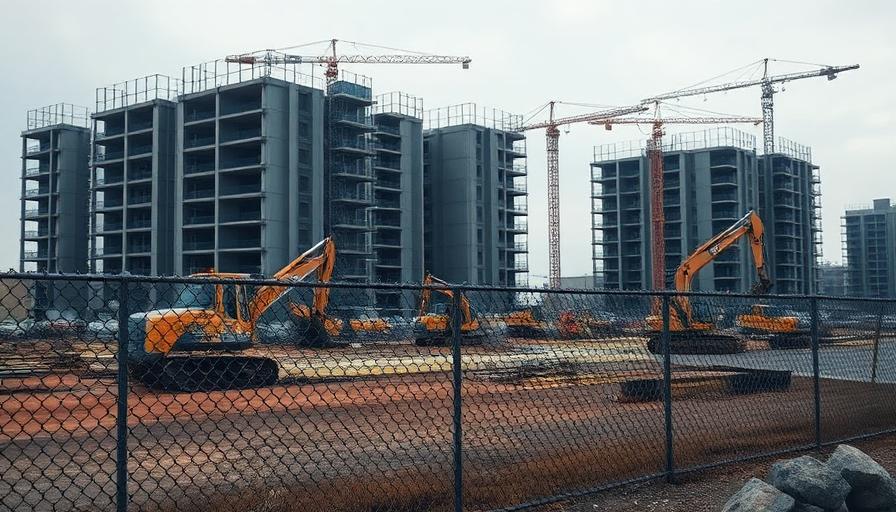
Why Static Software Hurts Growing Contractors
Software that can't adapt to your changing operations becomes an expensive constraint. Growing contractors need technology that scales and flexes with their business.
The Problem
Static software is technology that works one way and can't be changed to fit your evolving operations. For a small, stable company, this is fine. For a growing contractor, it's a slow-moving crisis.
As your company grows, your processes change. You add project types. You restructure teams. You refine workflows. You take on clients with different requirements. Static software doesn't accommodate any of this. It forces you to keep operating the way you operated when you bought it.
How Static Software Hurts Growth
Process misalignment. Your workflows evolve but your software doesn't. The gap between how you need to work and how your software lets you work grows wider over time. Teams develop workarounds that defeat the purpose of the software.
Scaling friction. Software designed for 10 projects doesn't handle 30 projects well. Not just in performance, but in workflow logic. Approval chains that worked with one tier of management don't work with three tiers.
Data limitations. Static software has fixed data models. When you need to track new information; different project metrics, new client requirements, additional cost categories; the system can't accommodate it.
Integration barriers. As you add new tools to your tech stack, static software can't connect to them. Each new tool becomes another data silo.
The Field Reality
A contractor grew from $20M to $60M in revenue over three years. Their PM software, chosen at $20M, handled their original project types well. But as they expanded into different sectors, the software couldn't accommodate different reporting requirements, different approval structures, and different cost tracking needs.
They spent 18 months working around the software's limitations before finally investing in a flexible system that could adapt to their evolving operations. Those 18 months of workarounds cost them significantly in administrative time and errors.
The Checklist
Signs your software is constraining your growth:
- Your team has more workarounds than standard processes
- New project types require manual processes the software can't handle
- Reporting takes hours of manual compilation
- You've requested features from the vendor that haven't materialized
- Your software hasn't meaningfully changed in over a year
- New hires spend more time learning workarounds than learning the tool
If three or more apply, your software is holding you back.
Ready to build a tech stack that fits your operation?
Let's talk about what your company actually needs.
Start the ConversationStack Exposure Calculator
Add up what you're actually paying for software subscriptions. No hidden multipliers, just your tools and your total.
See Your ExposureOperational Leakage Model
Estimate what your workflow structure costs in wasted time, duplicate effort, and labor leakage every month.
Model Your LeakageWe build this
More in SaaS vs Custom Software

When SaaS Fails Contractors: Why Off the Shelf Software Stops Working
SaaS tools work great until they don't. Here's why growing contractors hit the wall with generic software and what to do about it.
Custom vs SaaS Construction Software: Making the Right Choice
The choice between custom and SaaS isn't binary. The best construction tech stacks use both. The question is which workflows need which approach.

The Limits of Construction Software Platforms: What They Won't Tell You
Construction software platforms are good at what they do. But what they don't do is where most contractors struggle. Understanding those limits saves time and money.

Why Contractors Outgrow SaaS: The Growth Ceiling Nobody Talks About
SaaS platforms help contractors get organized. But organization and operational efficiency are different things. Growing companies need more than what generic software provides.
Hybrid Tech Stacks in Construction: The Best of Both Worlds
The most effective construction tech stacks aren't all SaaS or all custom. They're purposeful hybrids that use the right approach for each layer of the operation.

Why Off the Shelf Construction Software Breaks Real Workflows
Generic construction platforms force your team into someone else's process. Here is why that kills productivity and what to do instead.

The Hidden Cost of All in One Construction Platforms
All in one platforms promise simplicity but deliver bloat, rigidity, and hidden operational costs that compound over time.

Why Contractors Quit Software After 6 Months
Most construction software adoption fails within the first six months. The reason is not the technology. It is the mismatch between how the software works and how your company works.

Software Adoption Failure in Construction: The Real Reason
The construction industry has the lowest software adoption rates of any major sector. The reason is not resistance to change. It is software that ignores how the work actually gets done.
Why Feature Lists Don't Equal Field Results
A long feature list does not mean a platform will work for your operation. What matters is whether those features solve the specific problems your team faces every day.

The Myth of Plug and Play Construction Software
No construction software is truly plug and play. Every implementation requires configuration, training, and adaptation. The question is who adapts: the software or your team.
When Standardization Helps and When It Hurts Operations
Standardization is valuable when it eliminates waste. It becomes destructive when it forces your team to abandon processes that actually work.

Why Your Software Should Match Your Process, Not Replace It
The best construction companies have refined their processes over years. Software should amplify what works, not force you to start over with someone else's template.

Construction Tech Fatigue Is Real: Here's Why
Too many platforms, too many logins, too many promises. Construction teams are exhausted by technology that adds complexity without delivering value.
Why Most Construction SaaS Is Built Backwards
Most construction software starts with what looks good in a demo, not what works in the field. That backwards approach is why adoption rates stay low across the industry.