
Workflow Routing for Contractors: Getting Information to the Right Person Automatically
Most information in a construction company gets to the right person eventually. The problem is 'eventually' costs time, money, and sometimes projects.
The Routing Problem
Information in construction companies moves through people. A field report goes from the super to the PM. A change order goes from the PM to the project executive. A safety issue goes from the foreman to the safety director. A pay application goes from the sub to the PM to accounting.
In most companies, this routing is manual. Someone sends an email. Someone makes a phone call. Someone walks down the hall. And if that someone forgets, or is busy, or doesn't realize they need to forward something, the information stalls.
Workflow routing is about making information flow automatically to the right person at the right time. Not faster. Not louder. Just reliably.
Why Manual Routing Fails at Scale
Manual routing works in small companies because everyone knows everyone and information doesn't have far to travel. The PM sits ten feet from the project executive. The super can call the safety director directly.
But as companies grow, manual routing breaks:
More projects mean more information flowing. The volume of documents, approvals, and updates that need routing increases faster than your team can keep up with manually.
More people mean more routing paths. With 10 projects and 5 PMs, information needs to reach different people depending on the project. Manual routing becomes a full time job.
More complexity means more conditional logic. A change order over $25,000 needs executive approval. A safety incident on a healthcare project needs a different notification chain than one on a retail build. These conditions multiply as you grow.
People change roles and responsibilities. When a PM gets reassigned, every routing path that went through them needs to be updated. In a manual system, some paths never get updated and information goes to the wrong person.
Designing Smart Routing
Effective workflow routing for contractors is built on a few principles:
Role based, not person based. Route to "the PM on this project" not "John Smith." When personnel change, the routing adapts automatically.
Condition based. Different conditions trigger different routing paths. Dollar thresholds, project type, urgency level, and document type all influence where something goes.
Parallel when possible. Not everything needs to flow sequentially. If a submittal needs both the PM's review and the engineer's review, send it to both at the same time instead of one after the other.
Transparent. Everyone involved can see where a document is in the routing process. No black holes. No mystery about who's holding something up.
Building Routing Rules
Start by mapping your routing for each major document type:
For each type of document or decision, answer:
Who initiates it? Who needs to review it? In what order? What conditions change the routing? What happens if someone doesn't respond? Who needs to be notified? What systems need to be updated when it's complete?
These answers become your routing rules. Most companies find that they have 8 to 12 distinct routing patterns that cover the majority of their information flow.
What Changes When Routing Works
Speed. Documents reach the right person in minutes instead of days. Not because people work faster, but because the routing happens instantly instead of waiting for someone to forward an email.
Reliability. Every document follows its defined path every time. Nothing gets lost in an inbox. Nothing depends on someone remembering to forward something.
Accountability. When routing is tracked, you know exactly where every document is, who has it, and how long they've had it. Bottlenecks become visible and addressable.
Scalability. Adding projects and people doesn't break the system. New projects inherit routing rules automatically. New team members are assigned roles and start receiving the right information immediately.
The Bottom Line
Getting information to the right person shouldn't be a skill your company has to develop. It should be something your systems handle automatically.
Manual routing is a liability that grows with every project and every person you add. Building automated routing is one of the most practical and immediate improvements a growing contractor can make.
Ready to build a tech stack that fits your operation?
Let's talk about what your company actually needs.
Start the ConversationStack Exposure Calculator
Add up what you're actually paying for software subscriptions. No hidden multipliers, just your tools and your total.
See Your ExposureOperational Leakage Model
Estimate what your workflow structure costs in wasted time, duplicate effort, and labor leakage every month.
Model Your LeakageWe build this
More in Workflow Automation

Construction Workflow Automation: A Practical Guide for Contractors
Workflow automation in construction means building systems that move information, approvals, and decisions through your company without someone having to manually push every step forward.
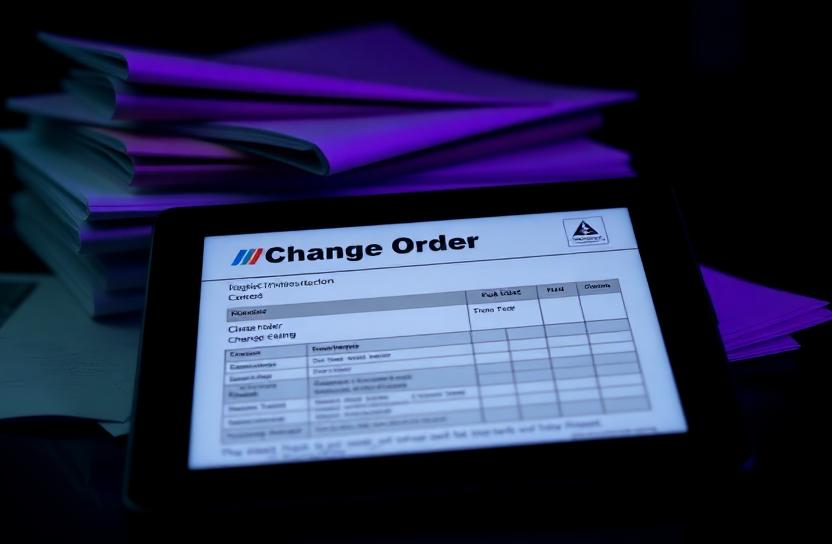
Automating Change Orders in Construction: Stop Losing Money on Manual Processes
Change orders are where construction companies lose money they don't even know they're losing. Automating the process isn't optional for growing contractors.

Automating Field Reporting: Getting Real Data from the Jobsite to the Office
Field reports are only valuable if they actually reach the people who need them in a format they can use. Most construction companies fail at this basic requirement.

Construction Approval Workflows: How to Stop Bottlenecks from Killing Your Schedule
Approval bottlenecks are one of the most expensive problems in construction. Most of them are completely avoidable with the right workflow systems.

Construction Process Automation: A Practical Approach for Growing Companies
Process automation in construction doesn't require a massive digital transformation. It starts with one broken process and a commitment to fixing it properly.
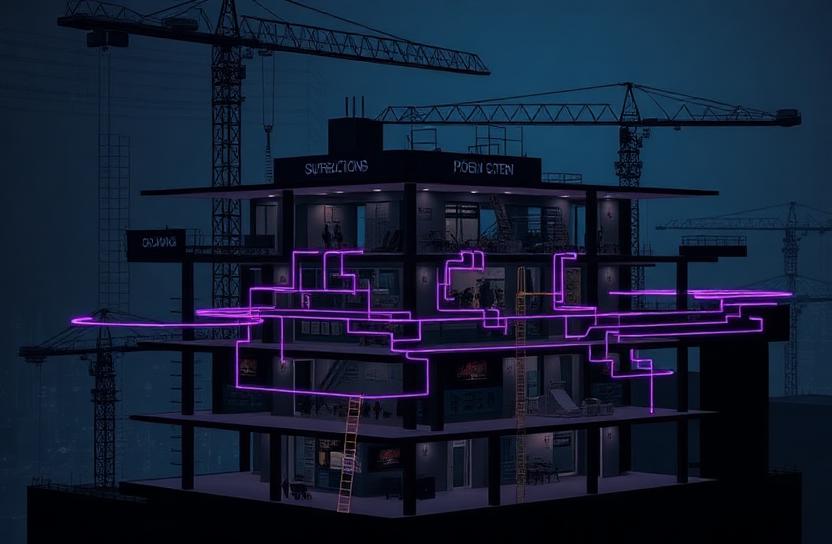
Internal Workflow Systems: The Infrastructure Your Construction Company Is Missing
Most construction companies have project management software. Almost none have internal workflow systems. That gap is where operational efficiency lives.

What Is Workflow-First Construction Software
Workflow-first means building software around how your crews actually work; not forcing your operation into someone else's template. Here's what that looks like in practice.

Designing Software Around How Crews Actually Work
Software designed in offices for office people fails in the field. Construction software must be designed around the realities of crew-level operations.

Field-Driven Software Design Explained
Field-driven design means the people who do the work define what the software does. It's the only approach that produces tools construction teams actually use.

How Construction Workflows Should Drive Technology
Technology should serve your workflows, not define them. When you let software vendors dictate how your company operates, you lose what makes you competitive.

Why Process Mapping Comes Before Platforms
Buying software before mapping your processes is like buying materials before reading the plans. Process mapping is the foundation for every good technology decision.

Turning Construction SOPs Into Software Systems
Your standard operating procedures should drive your software, not sit in a binder nobody reads. Here's how to translate operational standards into working digital systems.

Workflow Engineering for Contractors
Workflow engineering is the discipline of designing, building, and continuously improving the operational processes that run your construction company.

How to Digitize a Construction Workflow Correctly
Digitizing a workflow isn't just moving paper to screens. Done right, it transforms how information flows. Done wrong, it's expensive digital paperwork.

The Right Way to Modernize Construction Operations
Modernizing construction operations isn't about buying new technology. It's about intentionally redesigning how your company works and building technology to support it.

Custom Workflow Systems vs Templates
Templates promise quick implementation. Custom systems deliver lasting fit. Understanding the tradeoff helps you choose the right approach for your construction company.

The Construction Workflow Audit Guide
A workflow audit reveals where your operations are leaking time, money, and accuracy. This guide walks you through auditing your construction workflows step by step.
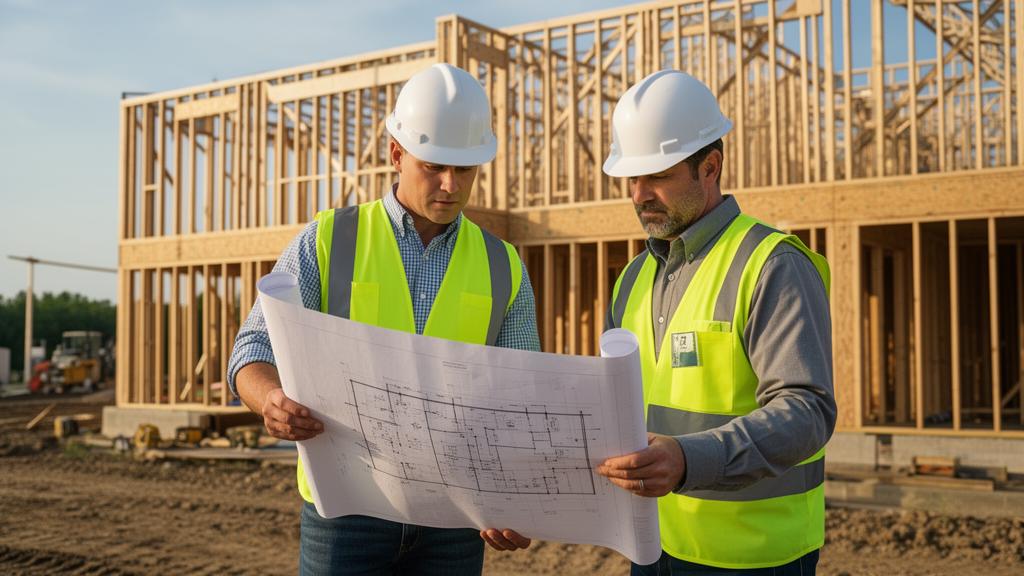
Why Field Context Matters in Software Design
Software designed without field context misses the environment, constraints, and realities that determine whether technology gets used or abandoned.
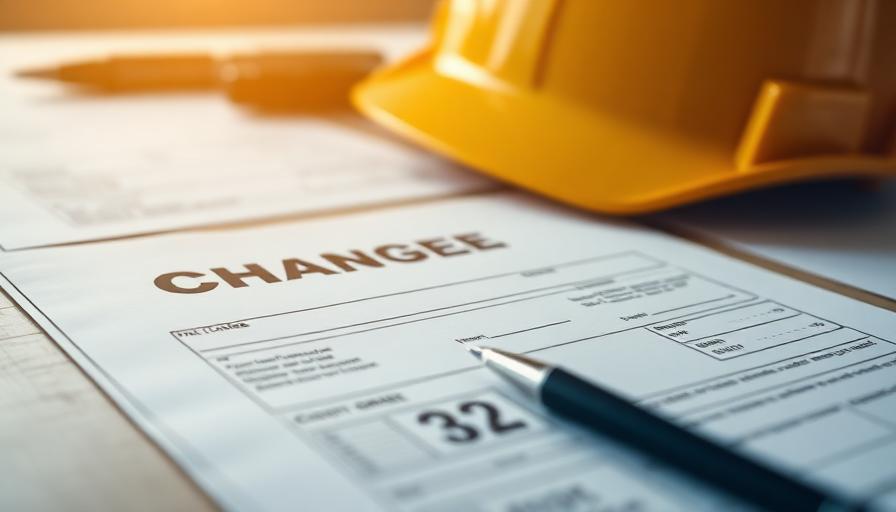
Software That Understands Change Orders, Not Just Tickets
Generic project management tools treat change orders like tickets. Construction-native software understands the financial, contractual, and operational implications of every scope change.

Why Construction Communication Drives Software Design
How construction teams communicate should determine how construction software is designed. Most software ignores this and fails because of it.
Construction Is Workflow Dense, Not Feature Dense
Construction doesn't need software with more features. It needs software that handles complex, interconnected workflows. The difference determines whether technology helps or hinders.