
AI with Custom Construction Software: Building the Foundation That Makes AI Work
Custom construction software creates the data infrastructure that makes AI genuinely useful. Here's how to build with AI readiness in mind without overspending on AI today.
Building AI Ready, Not AI First
There's a difference between building software with AI in mind and building software around AI. The first approach is smart. The second is premature for most construction companies.
Building AI ready means designing your custom software so that the data it generates and the processes it manages are structured in ways that AI can eventually leverage. You get operational value today from better workflows and automation. You get AI value tomorrow from the data those workflows produce.
What AI Ready Means in Practice
AI ready custom construction software shares several characteristics:
Structured data capture. Every piece of information entered into the system is captured in structured fields, not free text blobs. A change order has fields for scope category, cost impact, schedule impact, initiator, cause, and status. Not just a description paragraph.
Consistent processes. The same workflow runs the same way every time. A change order on Project A follows the same routing and documentation process as one on Project B. This consistency creates data that's comparable across projects.
Connected systems. Data flows between systems through defined integrations. Project data, financial data, field data, and operational data are all connected. AI needs a complete picture, not isolated data silos.
Historical data retention. Past project data is preserved in structured, accessible formats. AI learns from historical patterns, so the more historical data you have in usable form, the more useful AI becomes.
The Data Foundation
The most important thing custom software does for AI readiness is create a data foundation. Consider what data a well built custom system generates over time:
Every change order: type, amount, cause, timing, project characteristics, approval duration, budget impact. Across hundreds or thousands of change orders, patterns emerge that predict which projects will have significant scope changes.
Every field report: weather, crew size, activities, safety observations, progress metrics, quality issues. Across thousands of reports, correlations appear between conditions and outcomes.
Every approval cycle: what was approved, how long it took, who was involved, what the impact was. Across years of approvals, bottlenecks and efficiency opportunities become visible.
This data is gold for AI. But only if it exists in structured, consistent, connected form. Custom software built with this in mind creates that foundation naturally.
Practical Steps
When you build custom workflows, include structured data fields. Don't let change orders be just a description and a dollar amount. Capture the category of change, the root cause, the affected scope area, and any other attributes that would be useful for analysis.
When you build integrations, maintain data relationships. When a change order connects to a project, a phase, a cost code, and a subcontractor, preserve those relationships. AI can analyze the connections between these elements to find patterns.
When you build reporting, design for analysis. Custom dashboards should present data in ways that highlight trends and anomalies, not just current status. Year over year comparisons. Project type benchmarks. Performance distributions.
When you store data, think long term. Design your data storage for historical analysis, not just current operations. Past project data should remain accessible and analyzable, not archived into formats that can't be queried.
The AI Payoff Timeline
Year 1: Better operations. Your custom workflows and integrations deliver immediate value through automation, consistency, and visibility. No AI required.
Year 2: Better analytics. With a year of structured data, basic analytics become powerful. Trend analysis, performance benchmarking, and exception reporting improve decision making.
Year 3 and beyond: AI applications. With multiple years of structured data across many projects, AI can start delivering genuine predictive value. Risk scoring, resource optimization, and anomaly detection become practical.
What Not to Do
Don't buy AI tools before you have the data foundation. They won't work well, and the money is better spent on the infrastructure that makes AI possible.
Don't add AI features to custom software prematurely. Build great workflows and great data capture. AI features can be layered on when the data is there to support them.
Don't let AI readiness complicate your software. AI ready design should make your software better, not more complex. Structured data capture and consistent processes are good for operations regardless of AI.
The Bottom Line
The smartest AI investment a construction company can make today isn't buying AI tools. It's building custom software that creates the data foundation AI will need tomorrow.
Good operational software built with structured data in mind delivers value today and compounds value over time. That's a better bet than any AI product on the market right now.
Ready to build a tech stack that fits your operation?
Let's talk about what your company actually needs.
Start the ConversationStack Exposure Calculator
Add up what you're actually paying for software subscriptions. No hidden multipliers, just your tools and your total.
See Your ExposureOperational Leakage Model
Estimate what your workflow structure costs in wasted time, duplicate effort, and labor leakage every month.
Model Your LeakageWe build this
More in AI in Construction
AI Needs Structured Workflows Before It Can Help Your Construction Company
Every vendor is pitching AI for construction. But AI without structured workflows is just expensive noise. Here's what actually needs to happen first.
AI for Construction Workflows: Where It Helps and Where It Doesn't
AI can genuinely improve construction operations, but only in specific areas. Knowing where AI adds value and where it's just hype saves you time and money.

AI and Construction Operations: A Builder's Honest Assessment
AI will change construction operations. But not in the way most people are selling it. Here's an honest look at what AI means for how you run your business.

AI Automation for Contractors: What's Real and What's Marketing
Contractors are being sold AI automation from every direction. Most of it is marketing. Here's how to tell what's real and what's worth investing in.
AI Will Not Fix Broken Construction Workflows
If your workflows are broken, AI will just break them faster. AI amplifies whatever system you feed it; good or bad. Fix the process before you add intelligence.
Bolting AI Onto Bad Software Produces Bad Results
AI layered on top of poorly built or disconnected software doesn't improve anything. It just adds complexity to an already broken system.

Where AI Actually Helps Contractors Today
AI in construction isn't all hype. There are specific, practical areas where AI delivers real value right now; if you know where to look and what to expect.

AI Tools Construction Companies Should Avoid Right Now
Not every AI tool deserves your attention or budget. Some categories of AI in construction are genuinely useful. Others are premature, overhyped, or outright misleading.
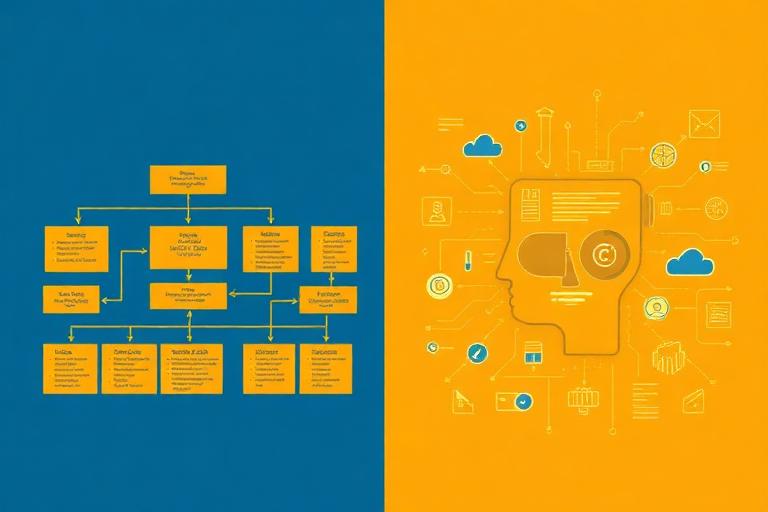
AI + Construction = Workflow First, Automation Second
The formula for AI success in construction is simple: get your workflows right first, then automate. Reversing the order wastes money and creates new problems.

The Difference Between Smart AI and Gimmick AI in Construction
Some AI in construction solves real problems. Some is just a marketing checkbox. Learning to tell the difference saves you money and prevents technology fatigue.

AI Without Process = Faster Chaos
AI accelerates whatever it's applied to. If your processes are chaotic, AI just creates chaos at machine speed. Process discipline must come before AI adoption.

What AI Can and Cannot Do in Construction Ops
A practical, no-hype breakdown of what AI is genuinely capable of in construction operations today, and what it absolutely cannot do no matter what vendors claim.
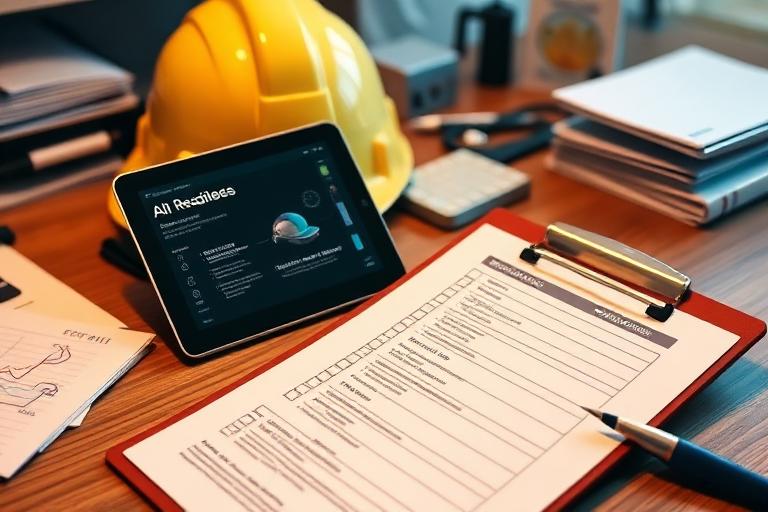
AI Readiness Checklist for Contractors
Before spending money on AI, determine whether your company is actually ready to benefit from it. This checklist helps you assess your AI readiness honestly.

Why AI Works Best in Custom Systems
AI delivers the most value when it's embedded in systems built specifically for your operations. Generic AI on generic software produces generic results.

AI Should Fit the Work, Not Replace It
The best AI in construction enhances how your team works. It doesn't try to replace their expertise. Understanding this distinction prevents costly mistakes.

Construction AI That Actually Saves Time
Not all AI saves time. Some creates more work through bad outputs and management overhead. Here are the AI applications in construction that genuinely reduce workload.