
AI Tools Construction Companies Should Avoid Right Now
Not every AI tool deserves your attention or budget. Some categories of AI in construction are genuinely useful. Others are premature, overhyped, or outright misleading.
The Problem
The construction AI market is exploding with new products. Every week there's a new tool claiming to revolutionize some aspect of construction operations with AI. For contractors trying to make smart technology decisions, knowing what to avoid is as important as knowing what to invest in.
Tools to Be Skeptical About
AI that claims to replace estimators. Estimating requires local market knowledge, subcontractor relationships, project-specific risk assessment, and years of experience. AI can support estimating with historical data analysis, but any tool claiming to produce reliable estimates independently is overselling.
Fully automated project management. Project management requires human judgment about priorities, relationships, and tradeoffs that change daily. AI can assist with specific PM tasks, but "AI project manager" products are marketing fantasy.
AI safety management platforms. Safety requires physical presence, human interaction, and cultural leadership. AI can analyze safety data for trends, but it cannot replace safety professionals on jobsites.
Generic AI chatbots rebranded for construction. Many "construction AI" tools are general-purpose AI with construction terminology layered on top. They don't understand construction workflows, terminology nuances, or industry context.
AI tools that can't explain their recommendations. If an AI tool makes a recommendation but can't show you the data and logic behind it, you're trusting a black box with operational decisions. Construction decisions need transparency.
A Field Example
A mid-size GC purchased an AI estimating tool that promised 80% time savings. The tool analyzed historical project data and produced estimates for new bids. The first three estimates it produced were off by 15-30% compared to their experienced estimator's numbers. The tool couldn't account for a subcontractor who'd recently raised prices, a material shortage affecting specific products, or unique site conditions that the estimator knew from a site visit.
They spent $25K on the tool and went back to their traditional process within four months.
What to Look For Instead
AI with clear, specific use cases. Tools that solve one problem well are more valuable than tools that claim to solve everything.
AI that shows its work. Tools that explain their analysis and let you see the underlying data build trust and enable human oversight.
AI that requires your data. Tools that need to learn from your specific data are more likely to produce relevant results than tools claiming to work out of the box.
AI with construction-specific training. Tools built by teams with construction experience and trained on construction data will outperform generic AI tools.
Decision Framework
Before purchasing any AI tool for construction:
- What specific problem does it solve?
- What data does it need from you?
- Can it explain its recommendations?
- Was it trained on construction-specific data?
- What's the realistic timeline to see value?
- What happens if the AI is wrong; what's the cost of a bad recommendation?
Ready to build a tech stack that fits your operation?
Let's talk about what your company actually needs.
Start the ConversationStack Exposure Calculator
Add up what you're actually paying for software subscriptions. No hidden multipliers, just your tools and your total.
See Your ExposureOperational Leakage Model
Estimate what your workflow structure costs in wasted time, duplicate effort, and labor leakage every month.
Model Your LeakageWe build this
More in AI in Construction

AI Needs Structured Workflows Before It Can Help Your Construction Company
Every vendor is pitching AI for construction. But AI without structured workflows is just expensive noise. Here's what actually needs to happen first.
AI for Construction Workflows: Where It Helps and Where It Doesn't
AI can genuinely improve construction operations, but only in specific areas. Knowing where AI adds value and where it's just hype saves you time and money.

AI and Construction Operations: A Builder's Honest Assessment
AI will change construction operations. But not in the way most people are selling it. Here's an honest look at what AI means for how you run your business.

AI Automation for Contractors: What's Real and What's Marketing
Contractors are being sold AI automation from every direction. Most of it is marketing. Here's how to tell what's real and what's worth investing in.

AI with Custom Construction Software: Building the Foundation That Makes AI Work
Custom construction software creates the data infrastructure that makes AI genuinely useful. Here's how to build with AI readiness in mind without overspending on AI today.
AI Will Not Fix Broken Construction Workflows
If your workflows are broken, AI will just break them faster. AI amplifies whatever system you feed it; good or bad. Fix the process before you add intelligence.
Bolting AI Onto Bad Software Produces Bad Results
AI layered on top of poorly built or disconnected software doesn't improve anything. It just adds complexity to an already broken system.

Where AI Actually Helps Contractors Today
AI in construction isn't all hype. There are specific, practical areas where AI delivers real value right now; if you know where to look and what to expect.
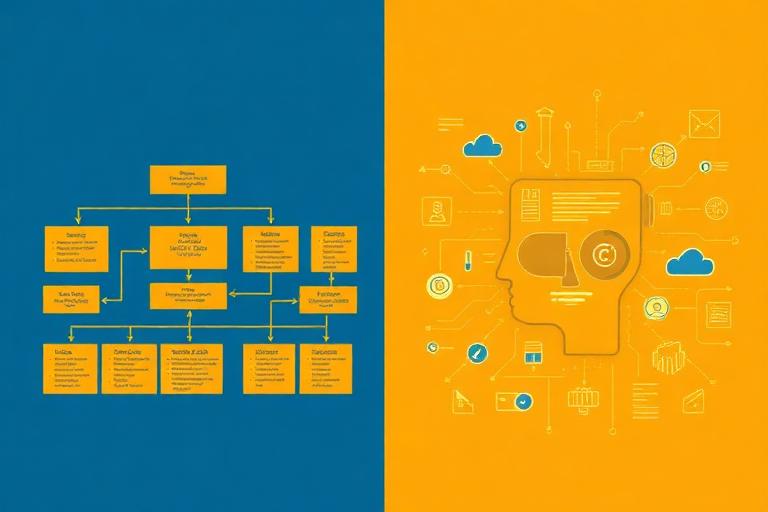
AI + Construction = Workflow First, Automation Second
The formula for AI success in construction is simple: get your workflows right first, then automate. Reversing the order wastes money and creates new problems.
The Difference Between Smart AI and Gimmick AI in Construction
Some AI in construction solves real problems. Some is just a marketing checkbox. Learning to tell the difference saves you money and prevents technology fatigue.

AI Without Process = Faster Chaos
AI accelerates whatever it's applied to. If your processes are chaotic, AI just creates chaos at machine speed. Process discipline must come before AI adoption.

What AI Can and Cannot Do in Construction Ops
A practical, no-hype breakdown of what AI is genuinely capable of in construction operations today, and what it absolutely cannot do no matter what vendors claim.
AI Readiness Checklist for Contractors
Before spending money on AI, determine whether your company is actually ready to benefit from it. This checklist helps you assess your AI readiness honestly.

Why AI Works Best in Custom Systems
AI delivers the most value when it's embedded in systems built specifically for your operations. Generic AI on generic software produces generic results.
AI Should Fit the Work, Not Replace It
The best AI in construction enhances how your team works. It doesn't try to replace their expertise. Understanding this distinction prevents costly mistakes.

Construction AI That Actually Saves Time
Not all AI saves time. Some creates more work through bad outputs and management overhead. Here are the AI applications in construction that genuinely reduce workload.