Why Cheap Offshore Dev Usually Costs More
Offshore development rates look attractive until you add up the rework, miscommunication, and operational failures that come from building without industry context.
The Rate Card Trap
$25 per hour versus $150 per hour. The math seems obvious. Why pay six times more for the same code?
Because it is not the same code. And the true cost of software development has very little to do with the hourly rate.
A Field Example
A heavy civil contractor needed a custom equipment tracking system. They hired an offshore team at $30 per hour instead of a US based team that quoted $120 per hour. The project was estimated at 400 hours, so the savings looked like $36,000 versus $48,000.
The offshore team delivered a technically functional application in 500 hours. But the system did not understand how equipment moves between jobsites. It did not account for rental versus owned equipment tracking differences. The maintenance scheduling assumed fixed intervals when the contractor uses hours based maintenance.
Fixing these issues took another 300 hours. Then the contractor hired a local developer to rebuild the most critical modules. Total cost: over $60,000, plus six months of delay, plus the operational disruption of running the wrong system.
Why Cheap Development Gets Expensive
Communication overhead. Time zone differences, language barriers, and cultural context gaps create a hidden cost in every interaction. What takes one sentence to explain to someone with industry context takes a 30 minute video call with someone without it.
Missing domain knowledge. Construction operations have specific patterns, terminology, and business logic. Developers without industry experience build generic solutions that miss the details that matter.
Rework cycles. When the first delivery does not match the requirement, you enter a rework loop. Each iteration costs time and money. Multiple rework cycles can exceed the cost of getting it right the first time.
Maintenance burden. Code written cheaply is often code written quickly with shortcuts. Long term maintenance of poorly structured code costs more than the original development.
Lost opportunity cost. The six months you spend fixing a bad build is six months you are not using good software. That operational delay has real financial impact.
The Correct Approach
Evaluate development partners on total value, not hourly rate.
1. Require industry experience or deep discovery before development starts
2. Define success criteria in operational terms, not technical deliverables
3. Build in stages with operational validation at each stage
4. Factor in communication costs, rework probability, and maintenance quality
5. Compare total projected cost including rework, not just initial quotes
Evaluation Checklist
- Does the development team have experience in your industry?
- Can they describe common construction workflows without you explaining them?
- What is their process for understanding your operational requirements?
- How do they handle scope changes and requirement clarifications?
- Can you speak with past clients in the construction industry?
- What does their maintenance and support arrangement look like?
The Bottom Line
The cheapest quote rarely produces the cheapest outcome. Software that does not work costs more to fix than software that works the first time costs to build. Invest in expertise upfront and save the rework budget entirely.
Ready to build a tech stack that fits your operation?
Let's talk about what your company actually needs.
Start the ConversationStack Exposure Calculator
Add up what you're actually paying for software subscriptions. No hidden multipliers, just your tools and your total.
See Your ExposureOperational Leakage Model
Estimate what your workflow structure costs in wasted time, duplicate effort, and labor leakage every month.
Model Your LeakageWe build this
More in Internal Software Builds

Why Construction Companies Need an Internal Tech Architect, Not More Software
If your solution to operational inefficiency is adding another platform, you are increasing complexity, not reducing it. Construction needs architecture, not accumulation.

Building Internal Software for Contractors: A Practical Guide
Internal software is the technology your company builds for itself to handle the workflows, processes, and data flows that no off the shelf product was designed to address.
When to Build Internal Tools for Your Construction Company
Not every process needs custom software. But some processes are costing you so much in manual effort and errors that building a custom tool is the obvious move.

Contractor Internal Systems: Building the Operational Backbone of Your Company
Internal systems are the operational backbone that holds a construction company together. Most contractors are running without one, and they feel it on every project.
Internal Dashboards for Construction: What Leadership Actually Needs to See
Construction company dashboards should show leadership what they need to make decisions, not what the software vendor decided was important. Here's what actually matters.
Don't Hire a Developer Before You Map Your Workflow
Hiring a developer without understanding your workflows first is like hiring a framer before you have blueprints. The build will be wrong.
Why Hiring a CTO Too Early Can Kill a Construction Tech Project
A CTO solves technology problems. But most construction companies do not have technology problems first. They have workflow problems that need operational thinking before technical execution.

The Danger of Letting One Employee Build a System
When one tech savvy employee builds your critical business system, you have created a single point of failure that puts your entire operation at risk.
Why Vibe Coding Your Operations Is a Risk
Using AI to generate code without understanding your workflows creates software that looks functional but falls apart under real operational pressure.

AI Can't Design Your Construction Workflow
AI can help build software. It cannot design the workflow that software needs to support. That requires human understanding of how your company actually operates.

Custom Software Without Industry Knowledge Fails
Custom software built by developers who do not understand construction produces technically correct code that operationally fails. Industry knowledge is not optional.

The Real Risk of Freelancer Built Internal Tools
Freelancer built tools solve today's problem and create tomorrow's crisis. Without long term ownership and maintenance, internal tools become liabilities.

Why Software Built Without Field Input Breaks Fast
Software designed in the office without field team input looks great on screens and fails on jobsites. The field is where the truth lives.
The Construction Software Build Order That Actually Works
There is a correct sequence for building construction software. Skip a step and the whole project suffers. Follow the order and the results compound.

Before You Write Code, Map the Work
The most important step in building construction software has nothing to do with code. It is understanding, in granular detail, how the work actually gets done.

The $100K Mistake Contractors Make When Building Internal Software
Contractors waste six figures on software builds that fail for the same predictable reasons. The mistake is not building software. It is building it without a plan.

Why Construction Software Must Be Built by Construction Minds
The best construction software comes from teams who understand the industry from the inside. Tech-first teams miss the context that makes software actually work on jobsites.
The Gap Between Software Developers and Field Reality
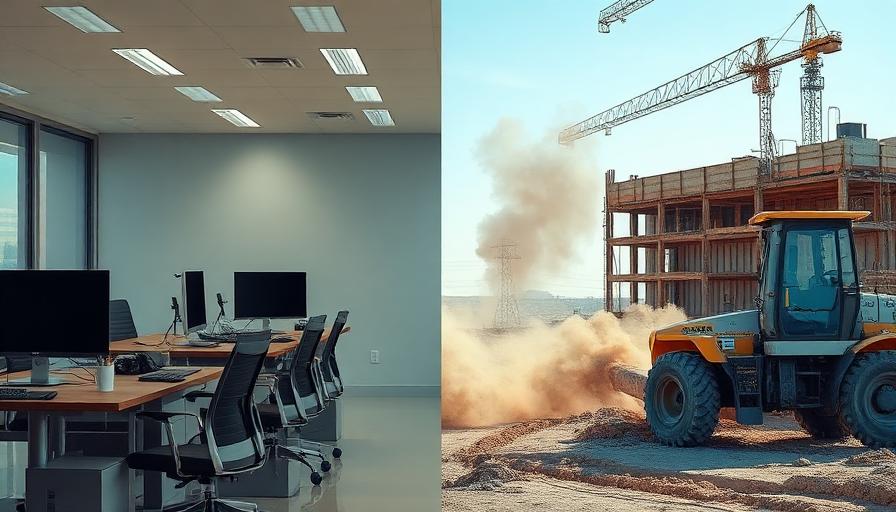
Software developers and field crews live in different worlds. Bridging that gap is essential for building construction software that actually works.

Why Most Tech Teams Misunderstand Jobsite Work
Tech teams build for how they think construction works. Construction works differently. This misunderstanding produces software that looks great in demos and fails in the field.

Construction Is Not Just Another Industry Vertical
Software companies treat construction as another vertical to enter with minor customizations. Construction is fundamentally different from other industries, and the software must reflect that.

Building Software With Superintendents, Not Just Engineers
Including superintendents in the software design process produces tools that actually get used in the field. Excluding them produces tools that get abandoned.
The Jobsite Truth Most Tech Teams Miss
There's a fundamental truth about jobsite operations that most technology teams never grasp: the field doesn't exist to generate data for the office.
Software Built From the Field Backward
The best construction software starts at the jobsite and works backward to the office. Most software does the opposite, and that's why field teams don't use it.
Why Industry Context Beats Coding Speed
A fast developer without construction knowledge will build the wrong thing quickly. A construction-informed developer will build the right thing. Speed means nothing without context.

Construction Software Needs Operational Empathy
The best construction software is built with empathy for the people who use it; understanding their pressures, constraints, and daily reality.

Tech Tourism vs Industry Roots in Construction Software
There's a difference between tech companies visiting construction as tourists and companies rooted in the industry building technology. The software reflects the difference.
Why Vertical Software Requires Vertical Experience
Building software for construction requires construction experience. Horizontal software skills don't translate directly to vertical industry needs.